Blog

Our Latest Blogs

bringing together participants from across Europe for a two-day working session titled “5 Years Ahead.” The event served as a strategic platform for evaluating the Foundation’s progress and collectively designing its direction for the coming years, with a focus on international mobility, skills development, policy engagement, and innovation across the network. This edition was suppoerted by the Erasmus+ Student and Alumni Alliance (ESAA).

The meeting opened with a plenary session led by President and CEO Fabrizio Bitetto, who presented the Foundation’s 2024 Annual Report along with the strategic work plan for 2025. His remarks emphasized the importance of broadening the impact of mobility programmes, fostering a more inclusive Erasmus ecosystem, and strengthening the visibility and effectiveness of garagErasmus initiatives. Following this, Toñi Caro González of Eoh For Good, independent evaluator and head of the Quality Assurance Board, presented the 2024 Quality Assurance Report. 

The programme continued with the presentation of network members. Carlo Bitetto introduced the new representatives of the gE4 network, who each presented themselves and shared updates on their local initiatives. Among them, Dr. Oleg Fetisov from the Czech Technical University in Prague announced that the next Higher Education European Networking Summit conference will be hosted in Prague in November 2025. Marco Santos from gE4Tallinn outlined projects involving youth centres, Erasmus+ exchanges, and VET partnerships. Andrei Dodea from gE4Bucharest presented activities coordinated by GEYC, while Muhammat Ali Uslu from gE4Istanbul discussed mental health and arts-focused initiatives developed by the GZ Association. Rajon Bhuiyan from gE4Luxembourg introduced a new digital platform aimed at improving connectivity across the garagErasmus network.

Later in the day, Carlo Bitetto, Network Manager of garagErasmus and Francesca Ferri, journalist of Gruppo SAE, presented ErasMAG, the Foundation’s newly launched online magazine written by Erasmus students for Erasmus students. The platform aims to amplify the voices and experiences of the Erasmus community and was developed following a storytelling training held in Pavia from 31 March to 1 April 2025. The training, organised by garagErasmus and Gruppo SAE and hosted by the University of Pavia, introduced participants to storytelling techniques tailored to the context of European mobility.

A central component of the Annual Meeting were the working group sessions, which began in the afternoon and continued into the second day. Facilitated by gE co-founder and board member Marco Mazzini, these sessions brought together participants in six groups, each focusing on key themes such as mobility, policy advocacy, skill recognition, professional development, European citizenship, and strategic initiatives. The format was designed to foster collaborative planning and to co-develop concrete project ideas informed by the Foundation’s previous work. On the second day, these working groups reconvened to refine their proposals and presented their work in a plenary session. The presentations reflected the diversity of the network and underscored the value of participatory design in shaping garagErasmus’ next steps.

A high-level panel discussion followed, bringing together representatives from Erasmus Mundus Association (EMA), OCEANS network, African Student Alumni Alliance (ASAF), Western Balkans Alumni Association (WBAA), and garagErasmus to discuss the future of Erasmus+ under the theme “Erasmus at a Crossroads: Towards and Beyond 2027.” The discussion addressed the need to increase access for underrepresented regions, promote intercontinental alumni networks, and leverage mobility as a tool for intercultural exchange and socio-economic development.

The meeting also marked the establishment of two new focus groups announced by Valentina Presa, Director of the Secretariat. One group will concentrate on policy development, while the other will explore European Universities alliances, focusing on collaboration models and resource management within inter-university mobility partnerships.

The programme concluded with the presentation of several projects supported by ESAA and developed by members of the garagErasmus network. These included Sailing Together from gE4Malaga (University of Malaga), Rural Roots, European Wings from gE4Ourense  (Bregal Association), gE4s: Empowering through the Net from gE4Verona (Oriel Association), and EUinaDay from gE4Tuscany (Lime Up). Each initiative reflected the commitment of the network to inclusive participation, sustainability, and local innovation.

Looking ahead, participants were invited to contribute ideas for the upcoming Capacity Building event scheduled in Athens on 10 and 11 July 2025. Suggested themes included design thinking, ecological strategies, professionalisation of youth organisations, digital communication, innovation, institutional advocacy, European citizenship education, mentoring methodologies, entrepreneurship models, and resource and HR management.

The Annual Meeting concluded with a renewed commitment to the values of the Erasmus programme and the collaborative spirit of garagErasmus, as well as an official welcoming to new members.  Through reflection, dialogue, and practical planning, the event reaffirmed the Foundation’s mission to advance European mobility, support the personal and professional development of young Europeans, and strengthen cross-sectoral cooperation across the continent.

The event brought together 40 Erasmus students and alumni from across Europe, all eager to dive into the world of journalism and storytelling. Their mission is to share their personal journeys, challenges, and successes during their time abroad, offering an authentic and diverse perspective on the Erasmus+ programme. The training focused on equipping these future reporters with the tools needed to craft compelling narratives that resonate with a global audience.

The event’s opening was graced by Michele Lissia, the Mayor of Pavia and an Erasmus alumnus, who warmly welcomed the participants and shared his own experiences with the Erasmus programme. His message set the tone for a truly collaborative and inspiring event, highlighting the lasting impact of Erasmus on both a personal and professional level.

One of the highlights of the training was the expert session led by Francesca Ferri, who shared valuable insights on how to write engaging articles. She provided hands-on tips and strategies, helping participants refine their writing skills and prepare to tell their stories in the most impactful way possible. The Erasmus Reporters were also encouraged to think critically about how their articles could inspire and inform others, as well as how to amplify the voices of Erasmus participants worldwide.

Over the coming months, the Erasmus Reporters will contribute to ErasMAG, sharing their diverse experiences and offering a deeper look into the Erasmus+ programme through their eyes.

During these two days, communication and project team members from the Milan, Vicenza, and Brussels offices came together to discuss and exchange views on the foundation’s current priorities, future strategies, and ongoing projects.

Together, we reviewed ongoing initiatives, explored new formats and ideas for social media content, and discussed how to further engage our audiences across Europe.

It was a valuable opportunity to bring together different perspectives, strengthen internal collaboration, and reinforce our vision.

Finally, the meeting included a visit to Ponte Lambro, an inspiring neighborhood in Milan, full of energy, potential, and new opportunities. It’s a place you’ll hear more about in the near future, so stay tuned, news is yet to come!

As a member of the Erasmus+ Student and Alumni Alliance (ESAA), garagErasmus took part in this flagship event to promote values of mobility, active citizenship and lifelong learning.

After an inspiring opening day on 3 April, which featured institutional greetings and the iconic flag parade through the streets of Ancona, the spotlight turned to youth-led best practices.

On 4 April, Gema Flores, representing Oriel, our gE4Verona, took part in the session “Ambassadors in Action: How to Make Erasmus+ Go Viral”. Drawing from her field experience, Gema shared successful outreach strategies to raise awareness about Erasmus+ opportunities and mobilise communities through creative communication and youth engagement. Her intervention demonstrated the power of grassroots initiatives in spreading European values and inspiring active participation.

The following day, on 5 April, Susanna Rosin, Administrative and Project Officer of the garagErasmus Foundation, delivered a speech during the session “From Volunteers to Changemakers: Your Network Squad Goals”. She presented Digital Life Learning, an Erasmus+ project that trained university students to become digital educators for older adults across Portugal, Italy, Spain, and Greece.

The active involvement of garagErasmus Foundation at EGM Ancona 2025 reaffirmed the organisation’s commitment to fostering collaboration, civic participation, and personal growth through mobility and education. Both sessions sparked thoughtful group discussions, inspiring participants to reflect on how their own networks can replicate or scale these initiatives.

As the European youth community continues to grow stronger, the message from Ancona was clear: Erasmus+ is more than a programme: it’s a movement of changemakers.

Participants engaged in interactive sessions on the Green Deal and other sustainability-related EU policies lead by Oscar Fernandez Gonzalez from Asociación Sociocultural BreGal with the support of experts such as Nancy Chadwick (Crowdfunding Leads – Generation Climate Europe), Friederike Moeller (Green European Foundation), and Cinta González Sentís (Federation of Young European Greens).

Partiticpants also had the chance to explore various advocacy strategies and participated in practical exercises on how to apply them to take local action against climate change. Additionally, they learned about Green Skills and how to develop and present these competences when applying for a position thanks to the teachings of trainer and project manager Salome Keshelashvili.

The training also included cultural activities, such as a city hunt across Brussels and a visit to the House of European History.

garagErasmus thanks all participants for the quality of their contributions, the trainers for their support, and the external experts for sharing their knowledge with participants in such a horizontal and engaging way.

A second session of “Learning Garage: Green Skills Edition” will be organised in summer 2025. More information will follow on our social media channels.

Under the slogan “Join the Learning Transformation,” NYH serves as a platform for personal growth, civic engagement, and community development. Focusing on education, democracy, ecology, and culture, NYH provides opportunities for young people (14-25 years old) and youth workers to participate in impactful projects, leadership initiatives, and international collaborations. While based in Tallinn, NYH operates across Estonia and around Europe through a strong network of partner organisations, reaching diverse communities and supporting youth engagement at local, national, and international levels.

garagErasmus is excited to welcome NYH into its network and looks forward to the future initiatives we will develop together. 

to discuss the state of the project and the next steps to take this year towards promoting sustainability in Higher Education Institutions and make them protagonists in achieving the SDGs. 2024 will be the most important year for the project, with many results to be published such as open access material and courses on the SDGs for students, teachers and staff, in order to improve HEIs’s role in achieving a more sustainabile society.

Written by students, for students, ErasMAG offers first-hand insights, tips, and advice to help others discover what life in Erasmus destinations is really like.

You can become an Erasmus Reporter if you are a/an:

  • Erasmus student: University student participating in an Erasmus exchange during the second semester of 2024/2025. 
  • International student: Student that have been living abroad in their academic career.
  • Erasmus Alumni: Former Erasmus students that decided to move to their Erasmus city.
  • Storyteller: Students who enjoy writing, sharing their experiences, and giving practical advice.

This is your chance to share your story and make a difference!

Laurens Cerulus, Cybersecurity Editor and Deputy Tech Editor, explained to participants how processes work in the editorial department, but also what challenges and opportunities are currently arising, especially related to AI. This meeting also served to establish and strenghten links between Politico and garagErasmus. Finally, participants were shown around the editorial offices. 

” part of PEACE-Participation Erasmus Alumni for Civic Engagement,  held in Lisbon. Organized by the Erasmus+ National Agency for Education and Training (ANE+EF) and the Italian Erasmus+ Agency INDIRE, the event gathered participants from 17 countries to discuss democracy, civic participation, and peace.

The event opened at Lisbon Higher Education School with addresses from Cristina Perdigão, Director of ANE+EF, and Sara Pagliai, Director of INDIRE. Sessions included discussions on Portuguese democracy, led by Inácia Rezola, and promoting civic engagement in Erasmus+ projects, with Joana Freitas of SALTO Participation and Information.

Valentina Presa intervened in the panel on ambassador networks featuring alongside Nicole von dem Bach (German Erasmus+ Agency), Rita Dias (ESN), presenting garagErasmus and showcasing the Foundations’ activities and projects.

The final day saw participants in working groups addressing challenges to democracy and civic engagement, concluding with a presentation of each group’s insights. Closing remarks were given by Cristina Perdigão and Sara Pagliai, who announced that Rome will host the next PEACE event. The program ended with a performance by the Erasmus Orchestra at the Lisbon School of Music.

A Project and Communications officer position of 6 months is available in the operational office of garagErasmus in Brussels, at the heart of the European cluster, in a young, professional and international environment.

Location: Brussels
Start date: October 2024
Hours: Full-time

PROFILE:

  • Knowledge of the Microsoft Office Suite and Google Suite;
  • Familiarity with tasks within EU project management;
  • Familiarity with tasks within conference/event organization;
  • Familiarity with social media management;
  • Familiarity with creative tools such as Canva and/or Adobe Suite;
  • Ability to work both in a team and independently;
  • Strong written and spoken English; knowledge of French is a plus;
  • High motivation, willingness to learn and a responsible, proactive attitude;
  • Availability to travel for projects and events.

DESIRABLE SKILLS AND EXPERIENCES: 

  • Previous experience or a strong interest in garagErasmus areas of activity (higher education/economic and social innovation) and non-profit work;
  • Knowledge of other EU languages, especially French and Italian ;
  • Previous experience in EU project management;
  • Previous experience and/or studies in communication;
  • Previous engagement in NGOs or youth organisations is considered positively;
  • Basic knowledge of Mailchimp, WordPress, Canva, main Social media channels, video editing tools.

TASKS

  • Support in EU project applications & project management (implement project’s tasks, coordinate with partners);
  • Support in the organisation of garagErasmus events and activities (conferences, online activities and projects, annual meeting, events with universities, etc.);
  • Support in the drafting and scheduling of social media posts;
  • Support in the designing of visuals/video editing;
  • Facilitate the working relationship with gEMembers and ge4Cities;
  • Support in the management of relations with both public and private stakeholders, particularly in Belgium;
  • Performance of various administrative tasks;
  • Travel for projects and events. 

WE OFFER

  • CIP contract of 6 months under Belgian law (around 1200€) – with possibility to prolong the contract
  • Lunch vouchers + travel reimbursements when travelling for gE
  • Young, dynamic and growing environment

TO APPLY

Please send CV and motivation letter (max 1 page!) in English to: job@garagerasmus.org with the subject “Your name – Communication and project” by 6 October 2024; CVs will be checked on a rolling base. Starting date ASAP.

Download the PDF of the vacancy

In this report, you will find out how those digital badges are pathways to upskilling and reskilling, making skills more visible and recognized by employers.

On May 8, festivities began in the evening with an informal aperitivo and open discussion. Over drinks and conversation, people shared personal reflections on European identity – what it means to belong, and how that feeling often goes beyond borders or institutions. Our ErasMAG team – Kamila, Nitsa, Francisca, and Hannah – joined the conversation, listening and contributing our own thoughts on connection, shared values, and lived experience.

The following day, on May 9, was aimed at approximately 150 Lucchesi high school students, and consisted of a showing of the movie “The Spanish Apartment”. Introductory remarks were made by Marcello Pierucci, President of the Province of Lucca, followed by Luca Menesini and Kata Tüttő, member and president of the European Committee of the Regions, respectively. Moreover, final personal remarks were brought forward by past and present ERASMUS alumni, seeking to inspire and motivate the younger generation present in the crowd – not just to eventually embark on the adventure of studying abroad but also engage in core European values.

Our team of ERASMAG reporters had the opportunity to interview some of these young students present at the event and we were delighted by their outlook. When asked about the sentiments that they associate with Europe and the European Union, words like community, closeness, unity, and family were commonly used. Similarly, when inquired about the possibility of doing ERASMUS or any type of exchange program in the future, all pupils responded positively, showing great enthusiasm for the opportunity to meet new people, get to know different cultures, and learn new languages.

Looking back, the event in Lucca served as reminder of why these conversations matter. It created space for honest dialogue between generations of ERASMUS participants – past, present, and future. And it left us hopeful that more young people will take the chance to step into something unfamiliar and grow from it.

Kamila Aipakova, Nitsa Kokoladze, Francisca Lima, Hannah Svelling – ErasMAG Reporters

The initiative aimed to bring Erasmus+ opportunities closer to the youth of Torremolinos by involving students from two local schools, Erasmus+ students from the University of Málaga, and representatives from local Erasmus+ associations. Together, they had the opportunity to enjoy the unique experience of sailing in a barca de Jábega, a traditional boat of Phoenician origin, symbolising the values of mobility, inclusion, and intercultural exchange between communities, as promoted by Erasmus+ programme. The activity was made possible thanks to the collaboration of the Club de Remo de La Carihuela.

The project, supported by ESAA, has already received great feedback for its inclusive approach.

a Turkish youth organization founded in 2016 with the mission of empowering and supporting young people while making a positive impact in their communities. 

GEZIDER was established to support young people in conducting studies in the social, cultural, artistic, educational, and health fields. Its aims include encouraging experienced youth to mentor and guide other young people, contributing to the development of youth policies, and encouraging the entrepreneurial spirit among young people. The association also seeks to provide knowledge, skills, and attitudes in these areas, to reach out to young people across Turkey,  especially in provinces with limited opportunities, and to promote the sharing of experiences and life stories, ensuring that this knowledge and these skills are actively applied.

Moreover, the association carries out scientific, social and cultural studies in the fields of culture, arts, sports, science, individual and social development, tourism and employment at the local, national and international levels. 

garagErasmus is excited to welcome GEZIDER into its network and looks forward to the future initiatives we will develop together.

a Romanian youth organization founded in 2010 with the mission of empowering young people to create positive change in their communities. 

Although based in Romania, GEYC is active at the European level. It is the initiator and coordinating organization of the PRISMA European Network, a European wide coalition aimed at raising the quality of youth projects. Since 2023, GEYC has also held Special Consultative Status with the United Nations Economic and Social Council (ECOSOC).

With a focus on entrepreneurship and engagement, democracy and human rights, digital and sustainability, GEYC provides opportunities through educational projects primarily targeting young people aged 14–35, as well as youth workers and teachers.

garagErasmus is excited to welcome GEYC into its network and looks forward to the future initiatives we will develop together.

A brief recap of these days: the two-day training was designed to bring together representatives of our gE4Cities network to deepen advocacy and lobbying strategies, focusing on building self-funding capacities and long-term sustainability at the local level.

The training sessions included interactive workshops on effective communication, techniques, and practical approaches to developing strategies. Participants also engaged in case studies and group discussions that helped enhance their skills.

It was a training that saw active participation from our network. These were intense days full of idea exchange, discussions, and personal and professional development.

A big thank you to our trainer, Adéla Smejkalová, for her professionalism and expertise. Special thanks also to all participants and collaborators from all over Europe!

A big thank you also goes to Fabrizio Bitetto, President of garagErasmus, who took part in the event to introduce the garagErasmus organization and the next steps in our agenda, including the launch of garagErasmus’s new social media campaign, Fighting EuroApathy, designed to fight apathy towards European Institutions and reconnect citizens with the European Union.

This event was co-funded by Erasmus+ and the Erasmus+ Student and Alumni Alliance.

representatives of the organisations that form the Erasmus+ Student and Alumni Alliance (ESAA) gathered for a panel discussion under the theme “Erasmus at a Crossroads: Towards and Beyond 2027.”

This exchange brought together voices from across the Erasmus+ ecosystem to reflect on the future of the programme, as Europe prepares for the next multiannual financial framework and considers how Erasmus+ can continue evolving to meet the challenges and opportunities ahead.

The panel was moderated by Toñi Caro, representing EO&H for Good, and featured contributions from Carlo Bitetto (garagErasmus Foundation), Rajon Bhuijan (Erasmus Mundus Association), Vitoria Cabral (OCEANS Network), Roshan Halkhoree (ASAF – Africa), and Nikolina Adzic (Western Balkans Alumni Association). Together, they offered diverse perspectives on the impact of mobility, alumni engagement, and the importance of inclusive, sustainable approaches to European and international cooperation.

This conference was one of many initiatives organised throughout the year to reinforce the ESAA network and to support the Erasmus Generation in shaping a stronger, more united Europe. It underlined the vital role that former Erasmus+ participants continue to play in driving civic engagement, promoting European values, and contributing to the long-term vision of the programme.

The event was an opportunity to strengthen the links between our engaged partners (institutions, Higher Education Institutions, partner associations, and local chapters) and institutional stakeholders, which were represented by over 50 participants.

This year, we saw the presence of representatives from the European Commission. Vito Borrelli, DG EAC Team Leader – Higher Education / Erasmus+, discussed the ongoing evaluation process of the Erasmus+ programme and its potential future implications. Hélène Banegas, Project Adviser – Erasmus+ International Alumni, introduced the discussion on the future of the ESAA network, of which garagErasmus is a founder. Céline Jambon, policy officer in the “Skills Agenda” Unit of the European Commission (DG for Employment, Social Affairs and Inclusion), closed the European Year of Skills and discussed future action points.

Day 1 – Monday, 13th of May

The event kicked off with a presentation by Fabrizio Bitetto, CEO and President of the garagErasmus Foundation, that gave an overview of the year’s activities, highlighting the addition of new gE4s, as well as the engagement of existing gE4s in various initiatives. He discusses key events and projects, including the Learning Garage and the Annual Meeting, along with participation in prominent events.

Vito Borrelli, DG EAC Team Leader – Higher Education / Erasmus+ from the European Commission discussed the ongoing evaluation of the Erasmus+ programme, highlighting efforts to improve its effectiveness and address emerging challenges. He elaborated on budgetary considerations, mobility initiatives, and strategies for promoting inclusion. Attendees engaged in a dialogue, raising questions and sharing insights on topics such as accommodation and support for disadvantaged groups.

Carlo Bitetto, gE Network Manager, introduced ErasMag, a new online platform designed for the Erasmus Generation. This platform will enable students to write articles about their experiences abroad, effectively becoming “Erasmus correspondents.” The project, developed in collaboration with Gruppo SAE, is set to launch in the coming months.

Later on, representatives from gE4Orense, gE4Cordoba and gE4Varna highlighted their activities and initiatives, showcasing successful practices within the garagErasmus network.

Participants shared proposals for enhancing collaboration and communication within the garagErasmus community, emphasizing strategic planning, resource sharing, and the creation of operational teams.

Day 2 – Tuesday, 14th of May

 The day started with a presentation by Toñi Caro, Chair of the Quality Assurance Board, which provided insights into the 2023 Quality Assurance Report, detailing gE’s objectives, financial allocations, and ongoing initiatives. She outlined the board’s tasks for the year and presented key performance indicators.

After her presentation, Martina Altea Bellinzona and Nunzia Di Francesco highlighted two projects, BRIGHTS and Digital Life Learning, showcasing their objectives, methodologies, and outcomes. Attendees engaged in discussions and posed questions about project implementation.

Later, participants discussed new project proposals, focusing on collaboration opportunities, outreach strategies, and operational planning. Ideas were exchanged for enhancing gE’s impact and expanding its network.

Carlo Bitetto presented upcoming meetings and events organized by garagErasmus, including capacity-building sessions and networking summits. He encouraged participation and engagement in future activities.

Representants members of ESAA (garagErasmus, OCEANS, ASAF, ESN and EMA) started a discussion about the alliance’s future, focusing on different topics, such as collaboration possibilities, benefits of being part of the network, and possible improvements.

The garagErasmus Annual Meeting was a unique opportunity for gE members and stakeholders to connect, fostering dialogue and collaboration. It also served as a reminder to all attendees of the importance of being active within the network and maintaining enthusiasm for its current opportunities.

The problem

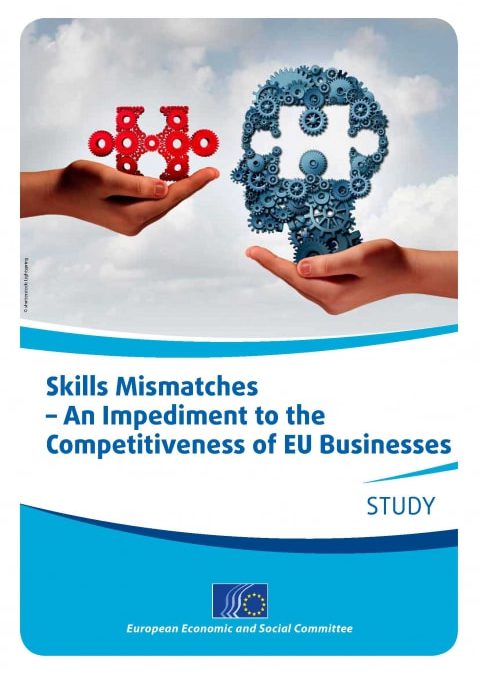
In brief, skills mismatches mean that business are not able to find new employees In possession of the necessary skills to completely fulfill their job requirements. It can also mean that new employees are overqualified for the duties they are assigned. In both cases there is a problem of “mismatch” between the supply and the demand of skills in the job market. Skills mismatches are bad for economy because they make businesses less competitive and have social repercussions on affected employees. More precisely:

  1. they obstacle productivity of businesses as they don’t find the profiles fitting 100% their projects. The EESC study estimates that European economy loses over 2.14% productivity per year due to skills mismatches;
  2. they can extend job seekers’ unemployment, which is particularly worrying in those EU countries that are still affected by high levels of long-term unemployment and struggling to put they economies back on track after the economic and financial crisis (according to Eurostat, in 2017 the EU unemployment rate was 7.6%, with regional peaks of up to 29.1%);
  3. they can reduce innovation potential of businesses not finding properly skilled human resources, which is another source of worry for EU competitiveness, as the European Innovation Scoreboard 2017 ranks the EU only 6th after South Korea, Canada, Australia, Japan and the US and up only a slight 2% since 2010 (cf. p 13 of the study).

The causes

What are the causes of skills mismatches? According to the authors of the study, there are mainly two factors: (1) educations systems are slow to adapt to the ever-evolving needs of the economy and keep up with the development of new technologies and business models; (2) low labour mobility across regions and sectors. The second point specifically is in turn caused by a set of flaws in the EU labour market such as information asymmetries between countries (job seekers are not easily aware of the conditions to access positions in other countries), insufficient recognition of foreign qualifications (such as university diplomas) and lagging cross-country labour intermediation (despite the EURES network expansion). Cultural and linguistic differences can also be counted in the problems leading to low labour mobility.

Addressing low cross-country mobility

To be really competitive, fair and to grow constantly, the European economy cannot waste human capital. It needs to make full use of the integrated labour market, where people have the right and the concrete possibility to move to another country and be employed where its skills and interests best match labour demand. Unblocking cross-country mobility of talents should be a priority in a barrier-free Europe. In particular:

  1. Invest in the Erasmus Generation! The ErasmusPlus is the most successful programme of the European Union and should be allowed to empower even more citizens in the coming years. Funding growing talents to make experiences abroad is the most direct way the EU has to address the mobility problems pointed out here above. As European leaders are discussing the next seven-year budget of the European Union, the Erasmusx10 campaign has some suggestions for them to take ErasmusPlus to the next level.
  2. Automatic recognition of higher education diplomas would make it much easier for students and young job seekers to move their search across countries and potentially find a job quicker. The upcoming set up of a “European Education Area” would be the right framework to automatise qualifications’ recognition.

Is garagErasmus doing anything to counter this phenomenon?

Of course! New editions of the garagErasmus international Talents Match are planned in the fall 2018. Know more about what it is and follow our social media channels and website to be the first to know where the next ones will take place!References:


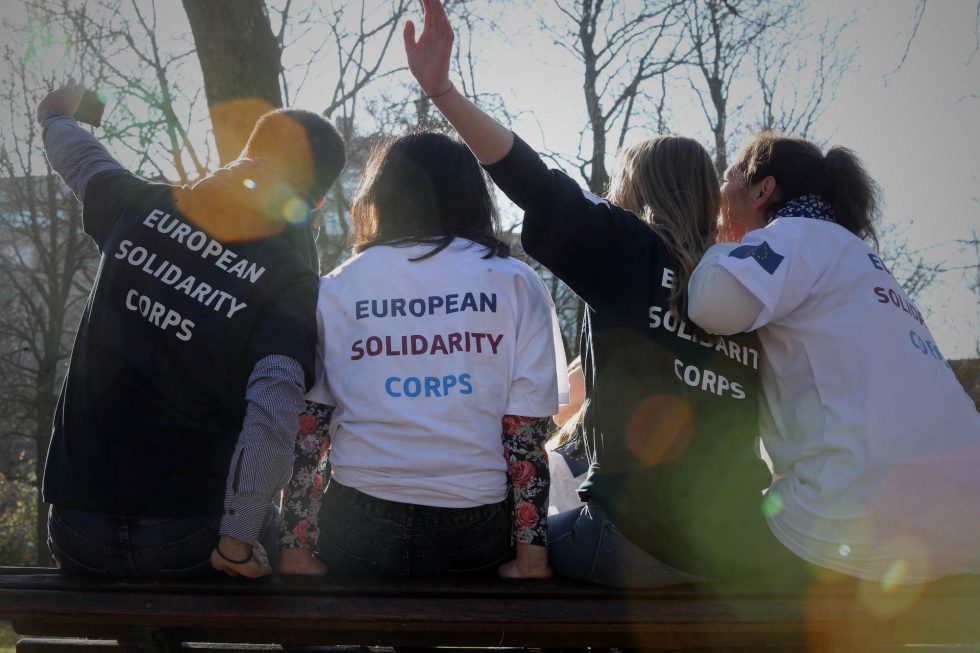
The ESC was created to help young people between 18 and 30 to participate in a range of solidarity activities in different fields (environment, culture, social services, helping refugees, migrants, children or the elderly) as a tangible expression of European values. The aim of the ESC is to contribute to addressing unmet societal needs, while enhancing young people’s personal, educational, social, civic and professional development.
This agreement will enable 100.000 Europeans participate in ESC activities by 2020.

You can join…

Are you looking forward to join the European Solidarity Corps? Check out all you need on the ESC portal

…and maximise the impact of your experience!

Have you taken part in a project as a member of the European Solidarity Corps? Are you engaged in one right now? Get to garagErasmus online platform! You can find people who are making an international experience in the same place as you are or have been involved in the same project as yours and could give you some hints on how to have a more positive impact. You can also write down your thoughts and share your experience for the next ESC generations.

Background

The proposal for the European Solidarity Corps was presented by the Commission as a part of the broader set of initiatives called “Investing in Europe’s Youth” launched on 7 December 2016. The ESC builds on the experience of the European Voluntary Service (EVS), which has provided volunteering opportunities for young people for 20 years, as well as policies and programmes such as the Youth Guarantee and the “Your First Eures Job”.Since its launch in December 2016 eight different EU-wide ESC programmes have been mobilised to offer volunteering, traineeship or job opportunities in solidarity-related sectors to young people across the EU. So far almost 60.000 young people have registered and almost 5.000 of them started a placement.

After a successful phasing in of the project, clear rules and an appropriate budget were needed.

For details of the agreement and its future development, visit: http://bit.ly/EUupgradesESC

Stay Connected!

Follow us on social media and be part of the journey — updates, opportunities, and Erasmus vibes await!