Blog

Our Latest Blogs

bringing together participants from across Europe for a two-day working session titled “5 Years Ahead.” The event served as a strategic platform for evaluating the Foundation’s progress and collectively designing its direction for the coming years, with a focus on international mobility, skills development, policy engagement, and innovation across the network. This edition was suppoerted by the Erasmus+ Student and Alumni Alliance (ESAA).

The meeting opened with a plenary session led by President and CEO Fabrizio Bitetto, who presented the Foundation’s 2024 Annual Report along with the strategic work plan for 2025. His remarks emphasized the importance of broadening the impact of mobility programmes, fostering a more inclusive Erasmus ecosystem, and strengthening the visibility and effectiveness of garagErasmus initiatives. Following this, Toñi Caro González of Eoh For Good, independent evaluator and head of the Quality Assurance Board, presented the 2024 Quality Assurance Report. 

The programme continued with the presentation of network members. Carlo Bitetto introduced the new representatives of the gE4 network, who each presented themselves and shared updates on their local initiatives. Among them, Dr. Oleg Fetisov from the Czech Technical University in Prague announced that the next Higher Education European Networking Summit conference will be hosted in Prague in November 2025. Marco Santos from gE4Tallinn outlined projects involving youth centres, Erasmus+ exchanges, and VET partnerships. Andrei Dodea from gE4Bucharest presented activities coordinated by GEYC, while Muhammat Ali Uslu from gE4Istanbul discussed mental health and arts-focused initiatives developed by the GZ Association. Rajon Bhuiyan from gE4Luxembourg introduced a new digital platform aimed at improving connectivity across the garagErasmus network.

Later in the day, Carlo Bitetto, Network Manager of garagErasmus and Francesca Ferri, journalist of Gruppo SAE, presented ErasMAG, the Foundation’s newly launched online magazine written by Erasmus students for Erasmus students. The platform aims to amplify the voices and experiences of the Erasmus community and was developed following a storytelling training held in Pavia from 31 March to 1 April 2025. The training, organised by garagErasmus and Gruppo SAE and hosted by the University of Pavia, introduced participants to storytelling techniques tailored to the context of European mobility.

A central component of the Annual Meeting were the working group sessions, which began in the afternoon and continued into the second day. Facilitated by gE co-founder and board member Marco Mazzini, these sessions brought together participants in six groups, each focusing on key themes such as mobility, policy advocacy, skill recognition, professional development, European citizenship, and strategic initiatives. The format was designed to foster collaborative planning and to co-develop concrete project ideas informed by the Foundation’s previous work. On the second day, these working groups reconvened to refine their proposals and presented their work in a plenary session. The presentations reflected the diversity of the network and underscored the value of participatory design in shaping garagErasmus’ next steps.

A high-level panel discussion followed, bringing together representatives from Erasmus Mundus Association (EMA), OCEANS network, African Student Alumni Alliance (ASAF), Western Balkans Alumni Association (WBAA), and garagErasmus to discuss the future of Erasmus+ under the theme “Erasmus at a Crossroads: Towards and Beyond 2027.” The discussion addressed the need to increase access for underrepresented regions, promote intercontinental alumni networks, and leverage mobility as a tool for intercultural exchange and socio-economic development.

The meeting also marked the establishment of two new focus groups announced by Valentina Presa, Director of the Secretariat. One group will concentrate on policy development, while the other will explore European Universities alliances, focusing on collaboration models and resource management within inter-university mobility partnerships.

The programme concluded with the presentation of several projects supported by ESAA and developed by members of the garagErasmus network. These included Sailing Together from gE4Malaga (University of Malaga), Rural Roots, European Wings from gE4Ourense  (Bregal Association), gE4s: Empowering through the Net from gE4Verona (Oriel Association), and EUinaDay from gE4Tuscany (Lime Up). Each initiative reflected the commitment of the network to inclusive participation, sustainability, and local innovation.

Looking ahead, participants were invited to contribute ideas for the upcoming Capacity Building event scheduled in Athens on 10 and 11 July 2025. Suggested themes included design thinking, ecological strategies, professionalisation of youth organisations, digital communication, innovation, institutional advocacy, European citizenship education, mentoring methodologies, entrepreneurship models, and resource and HR management.

The Annual Meeting concluded with a renewed commitment to the values of the Erasmus programme and the collaborative spirit of garagErasmus, as well as an official welcoming to new members.  Through reflection, dialogue, and practical planning, the event reaffirmed the Foundation’s mission to advance European mobility, support the personal and professional development of young Europeans, and strengthen cross-sectoral cooperation across the continent.

The event brought together 40 Erasmus students and alumni from across Europe, all eager to dive into the world of journalism and storytelling. Their mission is to share their personal journeys, challenges, and successes during their time abroad, offering an authentic and diverse perspective on the Erasmus+ programme. The training focused on equipping these future reporters with the tools needed to craft compelling narratives that resonate with a global audience.

The event’s opening was graced by Michele Lissia, the Mayor of Pavia and an Erasmus alumnus, who warmly welcomed the participants and shared his own experiences with the Erasmus programme. His message set the tone for a truly collaborative and inspiring event, highlighting the lasting impact of Erasmus on both a personal and professional level.

One of the highlights of the training was the expert session led by Francesca Ferri, who shared valuable insights on how to write engaging articles. She provided hands-on tips and strategies, helping participants refine their writing skills and prepare to tell their stories in the most impactful way possible. The Erasmus Reporters were also encouraged to think critically about how their articles could inspire and inform others, as well as how to amplify the voices of Erasmus participants worldwide.

Over the coming months, the Erasmus Reporters will contribute to ErasMAG, sharing their diverse experiences and offering a deeper look into the Erasmus+ programme through their eyes.

During these two days, communication and project team members from the Milan, Vicenza, and Brussels offices came together to discuss and exchange views on the foundation’s current priorities, future strategies, and ongoing projects.

Together, we reviewed ongoing initiatives, explored new formats and ideas for social media content, and discussed how to further engage our audiences across Europe.

It was a valuable opportunity to bring together different perspectives, strengthen internal collaboration, and reinforce our vision.

Finally, the meeting included a visit to Ponte Lambro, an inspiring neighborhood in Milan, full of energy, potential, and new opportunities. It’s a place you’ll hear more about in the near future, so stay tuned, news is yet to come!

As a member of the Erasmus+ Student and Alumni Alliance (ESAA), garagErasmus took part in this flagship event to promote values of mobility, active citizenship and lifelong learning.

After an inspiring opening day on 3 April, which featured institutional greetings and the iconic flag parade through the streets of Ancona, the spotlight turned to youth-led best practices.

On 4 April, Gema Flores, representing Oriel, our gE4Verona, took part in the session “Ambassadors in Action: How to Make Erasmus+ Go Viral”. Drawing from her field experience, Gema shared successful outreach strategies to raise awareness about Erasmus+ opportunities and mobilise communities through creative communication and youth engagement. Her intervention demonstrated the power of grassroots initiatives in spreading European values and inspiring active participation.

The following day, on 5 April, Susanna Rosin, Administrative and Project Officer of the garagErasmus Foundation, delivered a speech during the session “From Volunteers to Changemakers: Your Network Squad Goals”. She presented Digital Life Learning, an Erasmus+ project that trained university students to become digital educators for older adults across Portugal, Italy, Spain, and Greece.

The active involvement of garagErasmus Foundation at EGM Ancona 2025 reaffirmed the organisation’s commitment to fostering collaboration, civic participation, and personal growth through mobility and education. Both sessions sparked thoughtful group discussions, inspiring participants to reflect on how their own networks can replicate or scale these initiatives.

As the European youth community continues to grow stronger, the message from Ancona was clear: Erasmus+ is more than a programme: it’s a movement of changemakers.

Participants engaged in interactive sessions on the Green Deal and other sustainability-related EU policies lead by Oscar Fernandez Gonzalez from Asociación Sociocultural BreGal with the support of experts such as Nancy Chadwick (Crowdfunding Leads – Generation Climate Europe), Friederike Moeller (Green European Foundation), and Cinta González Sentís (Federation of Young European Greens).

Partiticpants also had the chance to explore various advocacy strategies and participated in practical exercises on how to apply them to take local action against climate change. Additionally, they learned about Green Skills and how to develop and present these competences when applying for a position thanks to the teachings of trainer and project manager Salome Keshelashvili.

The training also included cultural activities, such as a city hunt across Brussels and a visit to the House of European History.

garagErasmus thanks all participants for the quality of their contributions, the trainers for their support, and the external experts for sharing their knowledge with participants in such a horizontal and engaging way.

A second session of “Learning Garage: Green Skills Edition” will be organised in summer 2025. More information will follow on our social media channels.

Under the slogan “Join the Learning Transformation,” NYH serves as a platform for personal growth, civic engagement, and community development. Focusing on education, democracy, ecology, and culture, NYH provides opportunities for young people (14-25 years old) and youth workers to participate in impactful projects, leadership initiatives, and international collaborations. While based in Tallinn, NYH operates across Estonia and around Europe through a strong network of partner organisations, reaching diverse communities and supporting youth engagement at local, national, and international levels.

garagErasmus is excited to welcome NYH into its network and looks forward to the future initiatives we will develop together. 

It was a great opportunity to discover ASAF’s past year activities, as well as its future strategy to engage in internationalisation and mobility promotion all across the continent. garagErasmus seized the moment to strengthen its relationship with its partner organisations in its quest to valorise the Erasmus Generation in Europe and beyond.

Key Responsibilities:

  • Modern design: redesign the website with a clean, contemporary look that reflects the dynamic and innovative spirit of garagErasmus, while maintaining the Foundation’s official colors and branding guidelines.
  • Functionality: restructure the website so that it successfully displays our mission, network, resources, media, ongoing projects, events and news in a modern and clear way, while maintaining existing content. 
  • Accessibility: implement best practices to ensure the website is accessible to all users, including those with disabilities, adhering to the latest web accessibility standards.
  • Responsive: ensure the website is fully responsive, offering an optimal viewing experience across all devices, including desktops, tablets, and smartphones.

What we’re looking for:

  • Proven experience in web design and development, with a portfolio showcasing responsive and modern websites.
  • Strong understanding of accessibility standards and best practices.
  • Creativity and attention to detail in implementing the Foundation’s visual identity.
  • Excellent communication skills and the ability to work collaboratively with our team.

About garagErasmus Foundation:

Based in Milan, Vicenza and Brussels, garagErasmus Foundation (gE) is the professional network of the Erasmus Generation that aims at supporting the shaping of a better-integrated Europe. Our mission is to improve the lives of people who went through international study or work experiences by enabling them to access opportunities that could make their careers more impactful for the European community. 

Project timeline:

  • Application deadline: 08/09/2024
  • Selection of developer: 09/09/2024 – 10/09/2024
  • Initial consultation and project kickoff: by 16/09/2024
  • Design mockups submission: by the end of September
  • Development phase: September/October
  • Testing and bug fixing: October/November
  • Final review and approval: by the end of November

How to Apply:

If you have the skills and experience to bring our vision to life, we’d love to hear from you! Please send your CV, portfolio, along with a brief proposal outlining your approach to this project and a quotation, to job@garagerasmus.org

If you are going to the conference and would like to meet us to get to know better the gE network and its opportunities, please send an email to Fabrizio Bitetto or Valentina Presa.

This year’s conference theme is “En Route!,” and wants to highlight the hard work that propels our community towards a brighter future.

the University of Pavia and the University of Cyprus. Over three days, participants engaged in a series of sessions that addressed a wide array of topics and perspectives concerning sustainability.

The staff week was opened by a welcome speech of Prof. Kirk Junker, vice-rector for sustainability at the University of Cologne, who emphasised the importance of HEIs leading students into sustainable habits. He was then followed by Pamela Kilian, from the Sustainability Office of the University of Cologne, who showcased the university’s sustainability strategy and the pivotal role of the Office in driving these initiatives.

The following session, featuring an overview of the BRIGHTS project and the program for the week, was jointly presented by Martina Altea Bellinzona, BRIGHTS Project Coordinator from the University of Pavia, and Thilo Zimmermann, Head of Academic Networks & SDGS Projects at the University of Cologne. They outlined the project’s goals, the structure of the staff week, and the key outcomes aimed to achieve.

The final session of the day was held by Tobias Bartman, of the Green Office Movement, who presented the organization and set up a workshop by applying the Green Office Movement’s toolkit to establish green offices. He then proceeded to present the work of Students Oganising for Sustainability International, which supports student and youth groups globally to lead on sustainability and social justice.

The second day started off with Martina Altea Bellinzona presenting the work of the Office for Sustainable Actions (OSA) of the University of Pavia. She was then followed by Thilo Zimmerman who introduced UoC Global, which implements international projects at the University of Cologne, and was and was then joined by Dr. Ali Al-Bayati to present the DAAD LegalLead Projects which seeks to build up law clinics on female empowerment and good governance at Al-Nahrain University in Iraq and Cartage University in Tunis and is a promising example for an international projects adressed to SDG 5 (Gender Equality) and 16 (Peace, Justice and Strong Institutions)

The third session of the day saw Ilaria Corazza of the University of Turin, and editor of the Sustainability Report, presenting the Rete delle Università per lo Sviluppo Sostenibile (RUS) and delving into the importance of reporting. Prof. Drew Nelson of the University of Cologne then showcased his ongoing course concerning the SDGs and the new teaching methodologies that it involves.

The second day ended with Michela Cobelli and Chantal Ricciardi, from the International Mobility Unit of the University of Pavia, who showcased best practices of internationalisation, sustainability and networking in HEIs, and the Coimbra Group. 

The third and last day saw the participants learning about the Fair Trade Competence Center of the University of Cologne by Dr. Katharina Groene, and were taught about sustainability rankings by Luciana Sacchetti of the University of Bologna.

The staff week concluded with a visit to the UN Campus in Bonn, where participants had the opportunity to learn in depth about the importance of SDGs. 

Our new collaboration with the University of Trento will enhance our efforts to promote the #ErasmusGeneration’s values and improve mobility and education across Europe!

The University of Trento is renowned for its commitment to academic excellence and innovation, and we are thrilled to have them on board with us to create a better Europe together.

spiegano «che ci impone di prepararci a lasciare il nostro spazio». Un’eventualità che allarma non poco Elitlab, Onymous, Gfc, Regula, Inveneta – Walter Fantauzzi, Garagerasmus, Seay, Yupmedia, Officina sulle Nuvole, Mostrum e Francesco Zanotto.

Qui diverse startup innovative hanno trovato terreno fertile per crescere

Gli imprenditori ricordano lo sviluppo del progetto e i tanti eventi, corsi e programmi di accelerazione, «che hanno contribuito a creare una rete di relazioni e di sviluppo. Qui sono nate collaborazioni che spesso si sono trasformate in nuove aziende. Qui diverse startup innovative hanno trovato terreno fertile per crescere. Qui sono stati pensati progetti a medio e lungo termine. Qui hanno trovato sede laboratori universitari per ricerca e sviluppo. In breve, Elevator è una grande risorsa per Vicenza e il suo territorio».

Una risorsa che, però, ha richiesto grandi investimenti da parte dei soci, in particolare della famiglia Lovato, proprietaria dello stabile, che partita con il 48% delle quote nel 2019 (Simal, della galassia del gruppo Maltauro, ed Ensys, tra i cui fondatori c’è l’ex ad di Elevator Matteo Pozzi, avevano entrambe il 26%), è passata nel 2022 al 72%, con Ensys al 33% e Simal al 5%. Recentemente, a fronte di spese continue, la famiglia ha deciso di vendere lo stabile, del valore di 3 milioni di euro.

Necessari investimenti importanti

«I Lovato – spiega l’ex presidente Franco Scanagatta – hanno investito 900 mila euro per la ristrutturazione dell’immobile, che ha bisogno di continui interventi. La società, poi, continuava a perdere, quindi i proprietari hanno cercato un acquirente, pronti a regalare l’azienda, in caso fosse stata presentata un’offerta seria». Che, però, non è arrivata. E il clima all’interno della società ne ha risentito. «La famiglia – continua Scanagatta – ha quindi deciso per la liquidazione volontaria dell’azienda, pur intendendo tenere fede ai contratti stipulati, che arriveranno a scadenza». La porta a eventuali investitori non è chiusa. «Se arriva una proposta adeguata i Lovato sono disposti a trattare».

In un deus ex machina sperano gli imprenditori, che nella lettera aperta vogliono «condividere la nostra preoccupazione con le amministrazioni e con la comunità imprenditoriale vicentina, che senza dubbio hanno a cuore lo sviluppo dell’innovazione e della tecnologia condivisa». Così anche Pozzi, che in questi anni ha lavorato a stretto contatto con le startup.

«Nonostante il Covid – sottolinea – avevamo portato a casa risultati, con tutti gli uffici pieni, una quindicina di startup incubate, moltissimi eventi e corsi di formazione. Avevamo anche iniziato collaborazioni con il Comune, le associazioni di categoria e ospitato un evento del Cuoa, insomma Elevator è diventato un punto di riferimento per l’innovazione e questo avrebbe portato effetti positivi anche a livello economico, arrivando a sanare il passivo. Sarebbe un peccato perdere questo incubatore, speriamo che qualcuno ci venga in aiuto con un investimento o mettendo a disposizione una nuova sede».

Articolo scritto da Maria Elena Bonacini per Il Giornale di Vicenza.

On May 8, festivities began in the evening with an informal aperitivo and open discussion. Over drinks and conversation, people shared personal reflections on European identity – what it means to belong, and how that feeling often goes beyond borders or institutions. Our ErasMAG team – Kamila, Nitsa, Francisca, and Hannah – joined the conversation, listening and contributing our own thoughts on connection, shared values, and lived experience.

The following day, on May 9, was aimed at approximately 150 Lucchesi high school students, and consisted of a showing of the movie “The Spanish Apartment”. Introductory remarks were made by Marcello Pierucci, President of the Province of Lucca, followed by Luca Menesini and Kata Tüttő, member and president of the European Committee of the Regions, respectively. Moreover, final personal remarks were brought forward by past and present ERASMUS alumni, seeking to inspire and motivate the younger generation present in the crowd – not just to eventually embark on the adventure of studying abroad but also engage in core European values.

Our team of ERASMAG reporters had the opportunity to interview some of these young students present at the event and we were delighted by their outlook. When asked about the sentiments that they associate with Europe and the European Union, words like community, closeness, unity, and family were commonly used. Similarly, when inquired about the possibility of doing ERASMUS or any type of exchange program in the future, all pupils responded positively, showing great enthusiasm for the opportunity to meet new people, get to know different cultures, and learn new languages.

Looking back, the event in Lucca served as reminder of why these conversations matter. It created space for honest dialogue between generations of ERASMUS participants – past, present, and future. And it left us hopeful that more young people will take the chance to step into something unfamiliar and grow from it.

Kamila Aipakova, Nitsa Kokoladze, Francisca Lima, Hannah Svelling – ErasMAG Reporters

The initiative aimed to bring Erasmus+ opportunities closer to the youth of Torremolinos by involving students from two local schools, Erasmus+ students from the University of Málaga, and representatives from local Erasmus+ associations. Together, they had the opportunity to enjoy the unique experience of sailing in a barca de Jábega, a traditional boat of Phoenician origin, symbolising the values of mobility, inclusion, and intercultural exchange between communities, as promoted by Erasmus+ programme. The activity was made possible thanks to the collaboration of the Club de Remo de La Carihuela.

The project, supported by ESAA, has already received great feedback for its inclusive approach.

a Turkish youth organization founded in 2016 with the mission of empowering and supporting young people while making a positive impact in their communities. 

GEZIDER was established to support young people in conducting studies in the social, cultural, artistic, educational, and health fields. Its aims include encouraging experienced youth to mentor and guide other young people, contributing to the development of youth policies, and encouraging the entrepreneurial spirit among young people. The association also seeks to provide knowledge, skills, and attitudes in these areas, to reach out to young people across Turkey,  especially in provinces with limited opportunities, and to promote the sharing of experiences and life stories, ensuring that this knowledge and these skills are actively applied.

Moreover, the association carries out scientific, social and cultural studies in the fields of culture, arts, sports, science, individual and social development, tourism and employment at the local, national and international levels. 

garagErasmus is excited to welcome GEZIDER into its network and looks forward to the future initiatives we will develop together.

a Romanian youth organization founded in 2010 with the mission of empowering young people to create positive change in their communities. 

Although based in Romania, GEYC is active at the European level. It is the initiator and coordinating organization of the PRISMA European Network, a European wide coalition aimed at raising the quality of youth projects. Since 2023, GEYC has also held Special Consultative Status with the United Nations Economic and Social Council (ECOSOC).

With a focus on entrepreneurship and engagement, democracy and human rights, digital and sustainability, GEYC provides opportunities through educational projects primarily targeting young people aged 14–35, as well as youth workers and teachers.

garagErasmus is excited to welcome GEYC into its network and looks forward to the future initiatives we will develop together.

A brief recap of these days: the two-day training was designed to bring together representatives of our gE4Cities network to deepen advocacy and lobbying strategies, focusing on building self-funding capacities and long-term sustainability at the local level.

The training sessions included interactive workshops on effective communication, techniques, and practical approaches to developing strategies. Participants also engaged in case studies and group discussions that helped enhance their skills.

It was a training that saw active participation from our network. These were intense days full of idea exchange, discussions, and personal and professional development.

A big thank you to our trainer, Adéla Smejkalová, for her professionalism and expertise. Special thanks also to all participants and collaborators from all over Europe!

A big thank you also goes to Fabrizio Bitetto, President of garagErasmus, who took part in the event to introduce the garagErasmus organization and the next steps in our agenda, including the launch of garagErasmus’s new social media campaign, Fighting EuroApathy, designed to fight apathy towards European Institutions and reconnect citizens with the European Union.

This event was co-funded by Erasmus+ and the Erasmus+ Student and Alumni Alliance.

representatives of the organisations that form the Erasmus+ Student and Alumni Alliance (ESAA) gathered for a panel discussion under the theme “Erasmus at a Crossroads: Towards and Beyond 2027.”

This exchange brought together voices from across the Erasmus+ ecosystem to reflect on the future of the programme, as Europe prepares for the next multiannual financial framework and considers how Erasmus+ can continue evolving to meet the challenges and opportunities ahead.

The panel was moderated by Toñi Caro, representing EO&H for Good, and featured contributions from Carlo Bitetto (garagErasmus Foundation), Rajon Bhuijan (Erasmus Mundus Association), Vitoria Cabral (OCEANS Network), Roshan Halkhoree (ASAF – Africa), and Nikolina Adzic (Western Balkans Alumni Association). Together, they offered diverse perspectives on the impact of mobility, alumni engagement, and the importance of inclusive, sustainable approaches to European and international cooperation.

This conference was one of many initiatives organised throughout the year to reinforce the ESAA network and to support the Erasmus Generation in shaping a stronger, more united Europe. It underlined the vital role that former Erasmus+ participants continue to play in driving civic engagement, promoting European values, and contributing to the long-term vision of the programme.

The event was an opportunity to strengthen the links between our engaged partners (institutions, Higher Education Institutions, partner associations, and local chapters) and institutional stakeholders, which were represented by over 50 participants.

This year, we saw the presence of representatives from the European Commission. Vito Borrelli, DG EAC Team Leader – Higher Education / Erasmus+, discussed the ongoing evaluation process of the Erasmus+ programme and its potential future implications. Hélène Banegas, Project Adviser – Erasmus+ International Alumni, introduced the discussion on the future of the ESAA network, of which garagErasmus is a founder. Céline Jambon, policy officer in the “Skills Agenda” Unit of the European Commission (DG for Employment, Social Affairs and Inclusion), closed the European Year of Skills and discussed future action points.

Day 1 – Monday, 13th of May

The event kicked off with a presentation by Fabrizio Bitetto, CEO and President of the garagErasmus Foundation, that gave an overview of the year’s activities, highlighting the addition of new gE4s, as well as the engagement of existing gE4s in various initiatives. He discusses key events and projects, including the Learning Garage and the Annual Meeting, along with participation in prominent events.

Vito Borrelli, DG EAC Team Leader – Higher Education / Erasmus+ from the European Commission discussed the ongoing evaluation of the Erasmus+ programme, highlighting efforts to improve its effectiveness and address emerging challenges. He elaborated on budgetary considerations, mobility initiatives, and strategies for promoting inclusion. Attendees engaged in a dialogue, raising questions and sharing insights on topics such as accommodation and support for disadvantaged groups.

Carlo Bitetto, gE Network Manager, introduced ErasMag, a new online platform designed for the Erasmus Generation. This platform will enable students to write articles about their experiences abroad, effectively becoming “Erasmus correspondents.” The project, developed in collaboration with Gruppo SAE, is set to launch in the coming months.

Later on, representatives from gE4Orense, gE4Cordoba and gE4Varna highlighted their activities and initiatives, showcasing successful practices within the garagErasmus network.

Participants shared proposals for enhancing collaboration and communication within the garagErasmus community, emphasizing strategic planning, resource sharing, and the creation of operational teams.

Day 2 – Tuesday, 14th of May

 The day started with a presentation by Toñi Caro, Chair of the Quality Assurance Board, which provided insights into the 2023 Quality Assurance Report, detailing gE’s objectives, financial allocations, and ongoing initiatives. She outlined the board’s tasks for the year and presented key performance indicators.

After her presentation, Martina Altea Bellinzona and Nunzia Di Francesco highlighted two projects, BRIGHTS and Digital Life Learning, showcasing their objectives, methodologies, and outcomes. Attendees engaged in discussions and posed questions about project implementation.

Later, participants discussed new project proposals, focusing on collaboration opportunities, outreach strategies, and operational planning. Ideas were exchanged for enhancing gE’s impact and expanding its network.

Carlo Bitetto presented upcoming meetings and events organized by garagErasmus, including capacity-building sessions and networking summits. He encouraged participation and engagement in future activities.

Representants members of ESAA (garagErasmus, OCEANS, ASAF, ESN and EMA) started a discussion about the alliance’s future, focusing on different topics, such as collaboration possibilities, benefits of being part of the network, and possible improvements.

The garagErasmus Annual Meeting was a unique opportunity for gE members and stakeholders to connect, fostering dialogue and collaboration. It also served as a reminder to all attendees of the importance of being active within the network and maintaining enthusiasm for its current opportunities.

The proposal for a “European Conference on the Future of Europe” initially put forward by President Emmanuel Macron and then taken up by the President of the European Commission, Ursula von der Leyen, represents a great opportunity to reshape the future of the European Union.

The CSOs’ common key recommendations for the Conference on the Future of Europe are:

  1. An open mandate for the Conference, aimed at developing policy and institutional proposals, as well as proposals for treaty change or a new treaty framework, if considered necessary.
  2. A wide-ranging approach, looking at the scope of competences of the Union, the financing of Union policies and proposals for the democratic and efficient governance of those policies.
  3. A democratic process with wide participation and deep deliberation with individual citizens and civil society organisations from across the Union, as well as accession candidate and eastern neighbourhood countries. 
  4. A multi-step approach allowing individual citizens and civil society organisations to give input at different levels of expertise using digital tools and deliberative polling and engagement with institutional decision-makers.
  5. A clear upfront commitment by the institutions of the Union, as well as National Governments to deliver legislative proposals on all policy recommendations and initiate Treaty changes on all proposals adopted by the Conference.

The full common recommendations can be found here, and they are supported by the following civil society organisations:

European Students’ Forum (AEGEE), European Association for Local Democracy (ALDA), Assembly of European Regions (AER), Civil Society Europe (CSE), Commission of the Bishops’ Conferences of the EU (COMECE), European Citizen Action Service (ECAS), European Youth Forum, Eastern Partnership Civil Society Forum, Fondation EURACTIV, garagErasmus Foundation, Young European Federalists (JEF) and  the Union of European Federalists (UEF).

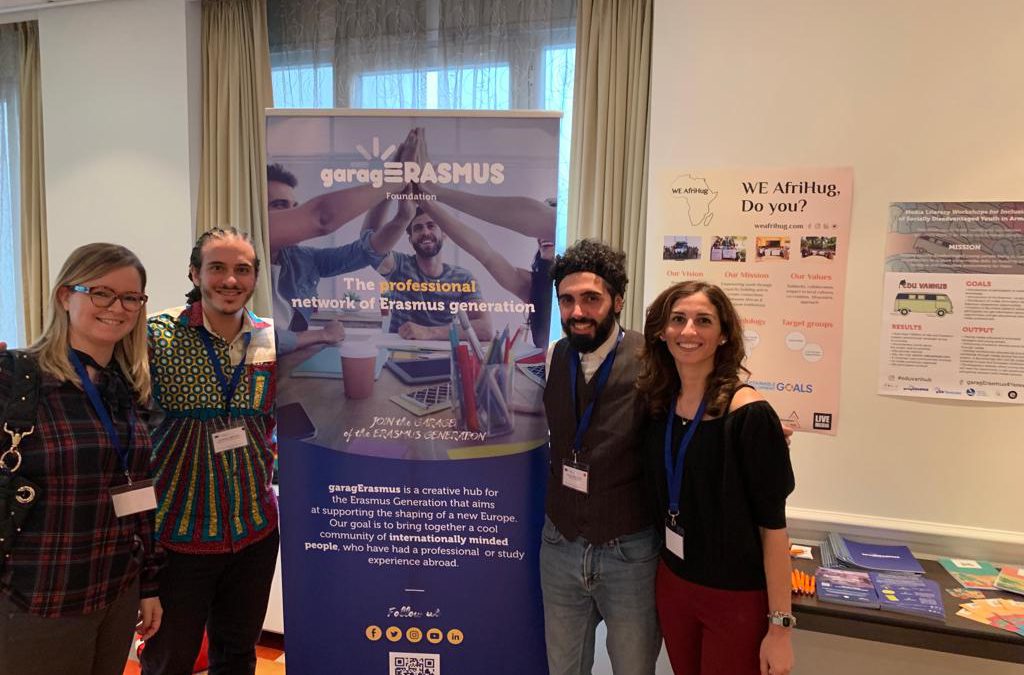
Audiovisual and Culture Executive Agency of the European Union (EACEA) in Brussels, where we had the chance to present 2 outstanding ESAA projects we are involved in:

  • The EduVanHub project, presented by Gèv Harutyunyan (garagErasmus4Yerevan), seeks to help disadvantaged young people living in Armenian and Ukranian rural communities acquiring media skills by building an inclusive & innovative environment.
  • The WE AfriHug project, presented by Konstantinos Maragkos (GaragErasmus4Athens), aiming to bring closer Africa and Europe by empowering youth through capacity building, creating links between the African Union & the European Union’s HEIs & CSOs.

In 2016-17, 16,561 British students took part in the overseas programmes –such as Erasmus-while 31,727 EU nationals came to the UK. Erasmus+ is also involved in vocational training and work overseas, as well as with teachers who want to work or train abroad.

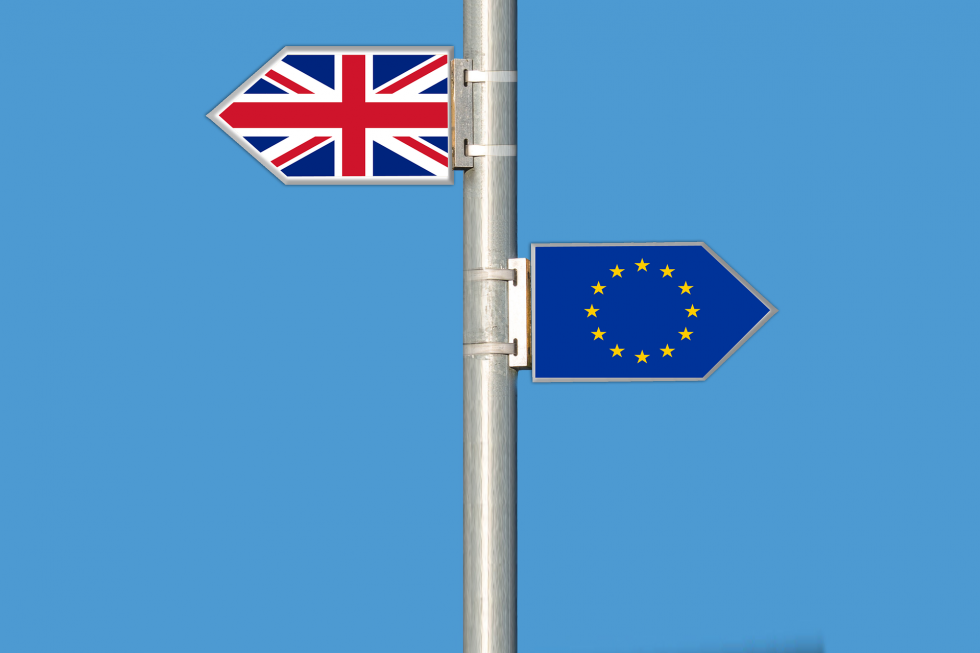
The Universities UK International and Universities UK (UUKi) re-launched their #SupportStudyAbroad campaign asking the British Government to clearly commit to fund study abroad opportunities in the upcoming years.

As a member of the Erasmus Student and Alumni Alliance, garagErasmus invites you to join this campaign for ensuring that current and future UK students still have the opportunity to participate in exchange programmes, notably Erasmus+, or to obtain funding for studying abroad in case of a no-deal Brexit.

UUKi estimates that, without the Erasmus+ funding, 17.000 British students will miss the opportunity to study abroad in 2020. Despite UK Government vows in the withdrawal agreement, it is not clear what will happen in case of a no-deal Brexit.

Launched last February, the first edition #SupportStudyAbroad campaign had a great impact, reaching almost 6,5 million people and achieving 16.56 million impressions on Twitter 2 weeks after its release.

So far, UK government showed its interest to participate in the Erasmus+ programme for the upcoming years and have guaranteed to replace grants awarded by the EU for studying abroad in 2019.

Nevertheless, a clear commitment to fund study opportunities abroad in the 2020-2021 academic year and beyond is urgently needed, either securing UK participation in Erasmus+ or providing funding for a national replacement mechanism.

gE encourages you to support this campaign by posting your support for the campaign via your social media channels, spreading the message to your (British) friends and writing to your MPs. You can find further instructions, information, a template letter to MPs and further documents on Universities UK website.

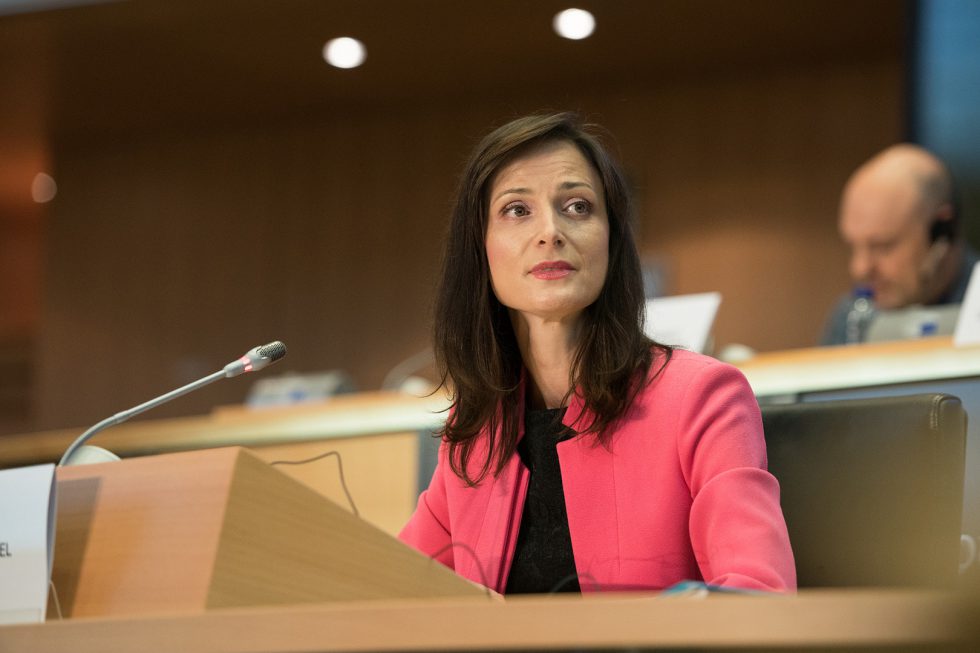
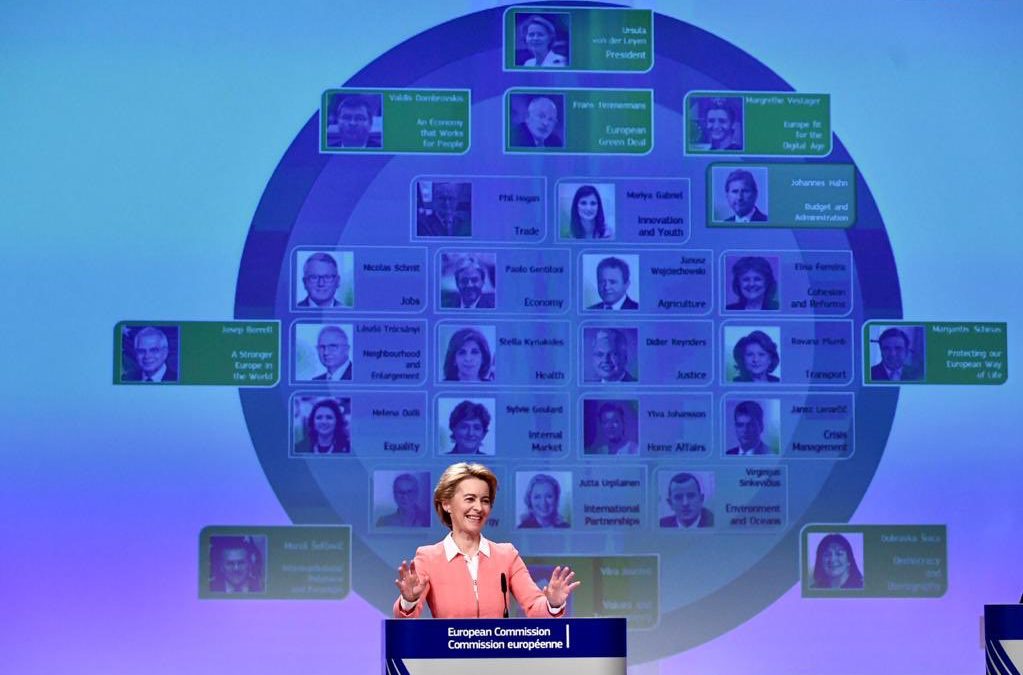
 On Monday evening, the EU Commissioner-Designate for Innovation and Youth Mariya Gabriel offered a Hearing to the members of the European Parliament ITRE and CULT Committees detailing her programme for the 2019-2024 period.

Gabriel will hold a broad portfolio that does not only cover innovation & youth areas but also other key ones such as research, education, culture, youth and sports. She will also be responsible for implementing the new Creative Europe, HorizonEurope and Erasmus+ programmes.

Gabriel’s portfolio seeks to strengthen ties between education, research and innovation (the known as Knowledge Triangle). However, garagErasmus is not yet convinced that a single Commissioner can take a leading role to effectively implement
all the above-mentioned policies. In fact, research and innovation topics and the future scope of the Horizon Europe programme almost monopolised the hearing, with limited scope for education and universities. Gabriel did not even point out neither education nor universities in the list of challenges she is seeking to face during her initial speech of the hearing.

garagErasmus also missed references to the Erasmus for Young Entrepreneurs programme, as previously recommended by DG EAC’s, a tool that would be crucial to implementing our Erasmus Alumni network.

Nevertheless, the Commissioner-Designate made many references to the Erasmus+ programme during the hearing, and gave it as the example of a flagship programme of the Union, also identifying it as a tool to make young people aware of cultural diversity. She also mentioned the crucial role that thousands of unique Erasmus and Erasmus+ co-funded projects played at the time of promoting social inclusion and preventing radicalisation.

garagErasmus also celebrates Gabriel’s vows to take advantage of the additional funding for the Erasmus+ programme (EC President Von der Leyen promised to triple its funding for the upcoming 2021-2027 period, as proposed by the European Parliament in March 2019) in order to make it more inclusive towards participants from disadvantaged backgrounds – making education accessible for all, with a special emphasis to minorities – but also to students from vocational training and teaching staff, especially language teachers.

Gabriel also proposed innovative ideas, such as the implementation of a European Student Card for 2021, but no additional concrete actions were announced regarding Educational matters. Despite all her references to the European Education and University areas, she did not mention the next steps to effectively implement them.

garagErasmus is looking forward to the content and measures proposed by new European Commission work plan 2020, and also other concrete actions to implement all the Commissioner-Designate’s announcements.

Last Tuesday, during the official presentation of her team for the upcoming European Commission, EU Commission President-Elect Ursula von der Leyen declared herself to be a “big fan” of the Erasmus programme, giving it as the example of the most successful European programme.

On one hand, garagErasmus strongly welcomes Von der Leyen’s objective of tripling the Erasmus+ programme budget for the next 2021-2027 period she entrusted to the nominated EU Commissioner for Innovation and Youth Mariya Gabriel. We are looking forward to the translation of these promises into concrete action.

The Erasmus+ programme has shaped our lives, changed our vital perspectives from the educational, professional and personal perspectives. The returns to society of its benefits are worthwhile from an economic perspective and priceless at a human aspect.

However, on the other hand, garagErasmus laments confusion over who is in charge of education, starting from the worrying fact that no Commissioner is distinctively assigned to education. We call on the European Parliament committee for culture and education to stand by Erasmus and education to keep it high among the priorities of the Commission.

Moreover, Erasmus+ and Education competences have been split between two Commissioners considering that the overview is assigned to the Vice-President-designate for Protecting our European Way of Life Margaritis Schinas, an ambiguous and broad portfolio that does not convey a clear political view and priorities.

garagErasmus considers that the new programme should put the accent on increasing employability and entrepreneurship, in an inclusive manner. 

garagErasmus considers that children and young people should be fully engaged both in the definition of the topics that are relevant for them and us all and in the research expected for this crucial period.

We should seize the potential of younger generations as agents for change. Without their involvement, Horizon Europe will not achieve the impact it seeks. That is why it is so disconcerting for us to see little or no mention of them in the document ‘Orientations towards the first Strategic Plan implementing the research and innovation framework programme Horizon Europe’.

Why Horizon Europe should take into account the role of children and youth?

Young people and children have a huge potential as change agents. If we invest in youth-centred R&I now, 2030 could be the start of an era of positive payback: healthy children and teenagers who are well-educated and skilled and have every chance to thrive and become constructive, engaged EU citizens contributing to society.

Furthermore, a Horizon Europe that works with and for Children and Youth could significantly contribute to the UN Sustainable Development Goals since Child related indicators can be found in at least 14 out of the 17 SDG’2.

A Horizon Europe programme taking into account the vision of child and youth will be also complementary to other initiatives and tools such as Erasmus+, European Youth Strategy, Education and Training 2020 and the Structural funds.

Which are the three crucial challenges where youth can play a fundamental role?

  • Youth Mobilisation against climate change. Youth across the world has the potential to catalyse change not only for themselves but for their communities and the rest of the world.
  • Health and Wellbeing: R&D actions with a focus on children and youth have the potential to deliver new knowledge and approaches to improve our future physical and mental health and wellbeing.
  • The Fourth Industrial Revolution. Youth should take part on digitalisation of our societies, jobs, education and democracies. Uptake in key enabling and digital technologies can only be achieved by involving them, making special efforts to involve girls in STEAM careers.

How can we change it?

The European Commission has just opened an online consultation: Horizon Europe Co-design 2021-2024 that can be filled as an organisation or as an individual and considering its importance we very much urge you to fill in the consultation. The more responses with our key messages the better to get our voice heard! Spread the word, invite to act!  

Instructions to participate in the consultation:

  • Please follow the link to the Horizon Europe online Consultation. Here you will find an introduction to the consultation
  • Please fill in the multiple choice sections A, B and C. In these sections are included a list of topics to be rated (no children or youth friendly!). They are the current list of topics in the  ‘orientations/strategic plan’ document that provides the draft of the Horizon Europe programme, which is the document we wish to influence. You need to rate which topics you feel are more important for the years to come.
  • For section D please tick the first 6 boxes and in the box provided for ‘general input’ please copy and paste the text below (between the two lines):

This initiative has been promoted by the University of Deusto and the University of Utrecht with some members of the Eurochild Children Council, and endorsed by garagErasmus and EDIW-Education for an Interdependent World.

The consultation will be open until 8 September 2019.

Stay Connected!

Follow us on social media and be part of the journey — updates, opportunities, and Erasmus vibes await!