Blog

Our Latest Blogs

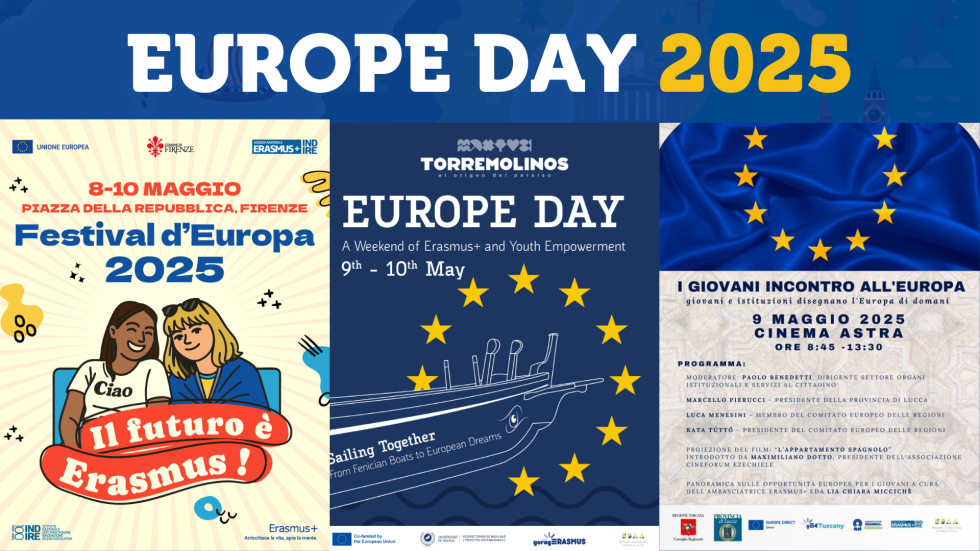
The initiative aimed to bring Erasmus+ opportunities closer to the youth of Torremolinos by involving students from two local schools, Erasmus+ students from the University of Málaga, and representatives from local Erasmus+ associations. Together, they had the opportunity to enjoy the unique experience of sailing in a barca de Jábega, a traditional boat of Phoenician origin, symbolising the values of mobility, inclusion, and intercultural exchange between communities, as promoted by Erasmus+ programme. The activity was made possible thanks to the collaboration of the Club de Remo de La Carihuela.

The project, supported by ESAA, has already received great feedback for its inclusive approach.

a Turkish youth organization founded in 2016 with the mission of empowering and supporting young people while making a positive impact in their communities. 

GEZIDER was established to support young people in conducting studies in the social, cultural, artistic, educational, and health fields. Its aims include encouraging experienced youth to mentor and guide other young people, contributing to the development of youth policies, and encouraging the entrepreneurial spirit among young people. The association also seeks to provide knowledge, skills, and attitudes in these areas, to reach out to young people across Turkey,  especially in provinces with limited opportunities, and to promote the sharing of experiences and life stories, ensuring that this knowledge and these skills are actively applied.

Moreover, the association carries out scientific, social and cultural studies in the fields of culture, arts, sports, science, individual and social development, tourism and employment at the local, national and international levels. 

garagErasmus is excited to welcome GEZIDER into its network and looks forward to the future initiatives we will develop together.

On this special day, garagErasmus is proud to be part of four exciting events across Europe to celebrate the values that bring us together as Europeans. Today, you can find us in:

  • Firenze: join us at the Festival of Europe alongside Erasmus+ Indire and our Erasmus Reporters! Visit our stand and try Play with Europe, a fun and interactive game for all ages.
  • Málaga: we’re celebrating Europe Day at the University of Málaga, at an event funded by ESAA!
  • Lucca: with our gE4Tuscany Limeup at I Giovani Incontro All’Europa, spreading the spirit of unity and youth engagement.
  • Vicenza: we’re at the Leonardo da Vinci High School in Arzignano for a day of European spirit and celebration!

Let’s celebrate what makes Europe special – together.

a Romanian youth organization founded in 2010 with the mission of empowering young people to create positive change in their communities. 

Although based in Romania, GEYC is active at the European level. It is the initiator and coordinating organization of the PRISMA European Network, a European wide coalition aimed at raising the quality of youth projects. Since 2023, GEYC has also held Special Consultative Status with the United Nations Economic and Social Council (ECOSOC).

With a focus on entrepreneurship and engagement, democracy and human rights, digital and sustainability, GEYC provides opportunities through educational projects primarily targeting young people aged 14–35, as well as youth workers and teachers.

garagErasmus is excited to welcome GEYC into its network and looks forward to the future initiatives we will develop together.

The goal will be to create a more focused, simpler, and impactful EU budget that aligns with the Union’s priorities and promotes a future of growth and innovation.

A key element of this process is the public consultation launched by the Commission, inviting citizens, stakeholders, and organizations to offer their feedback on the future EU budget. This consultation is a vital opportunity for Europeans to shape how EU funds will be allocated, particularly in areas crucial for the Union’s long-term success, such as education, youth, media, culture, and civil society.

Feedback will be gathered from citizens, national governments, and regional stakeholders alike and will concern education, youth, and culture, competitiveness, external action, civil protection and crisis preparedness and the single market and cooperation between national authorities.

This consultation is an essential step in building a more resilient and forward-looking EU budget, one that empowers Europeans and strengthens the EU’s global standing.

Whether you’re a citizen, student, business owner, or regional stakeholder, your input matters. To join the conversation and have your say, visit the official consultation platforms by clicking on the button below. 

Deadline: 6 May 2025 

representatives of the organisations that form the Erasmus+ Student and Alumni Alliance (ESAA) gathered for a panel discussion under the theme “Erasmus at a Crossroads: Towards and Beyond 2027.”

This exchange brought together voices from across the Erasmus+ ecosystem to reflect on the future of the programme, as Europe prepares for the next multiannual financial framework and considers how Erasmus+ can continue evolving to meet the challenges and opportunities ahead.

The panel was moderated by Toñi Caro, representing EO&H for Good, and featured contributions from Carlo Bitetto (garagErasmus Foundation), Rajon Bhuijan (Erasmus Mundus Association), Vitoria Cabral (OCEANS Network), Roshan Halkhoree (ASAF – Africa), and Nikolina Adzic (Western Balkans Alumni Association). Together, they offered diverse perspectives on the impact of mobility, alumni engagement, and the importance of inclusive, sustainable approaches to European and international cooperation.

This conference was one of many initiatives organised throughout the year to reinforce the ESAA network and to support the Erasmus Generation in shaping a stronger, more united Europe. It underlined the vital role that former Erasmus+ participants continue to play in driving civic engagement, promoting European values, and contributing to the long-term vision of the programme.

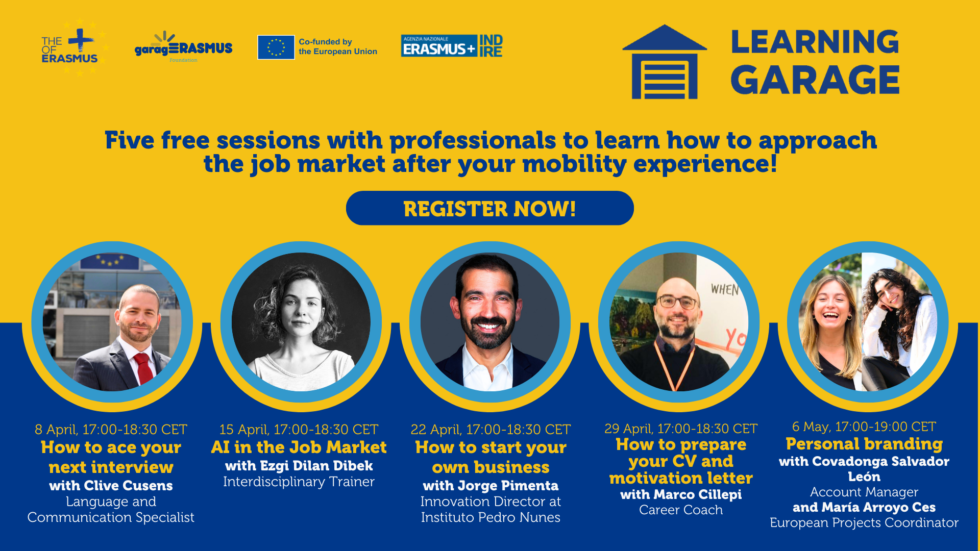
for present and former exchange students with entrepreneurs, career coaches, trainers and specialists of the job market with experience in the field of education.

The aim of these sessions is to provide the Erasmus Generation with job hunting and professional skills, also giving them concrete answers, suggestions and relevant tips on the current job market.

garagErasmus chose five “hot” topics for five talks on Zoom with professionals from all over the world who possess experience and knowledge in a specific field related to the job market. Participants will be able to raise their questions and feedback as the talks will be interactive.

Check out the five sessions:

  1. “How to ace your next interview”, Monday 8 April, 17:00 – 18:30 pm CET,  Clive Cusens (Online Business Developer at Innovators Club)
  2. “AI in the Job Market”, Monday 15 April, 17:00 – 18:30 pm CET,  Ezgi Dilan Dibek (Multidisciplinary Artist – Interdisciplinary Trainer)
  3. “How to prepare your CV and motivation letter”, Monday 29 April, 17:00 – 18:30, Marco Cillepi (Career Coach)
  4. “How to start your own business”, Monday 22 April, 17:00 – 18:30 pm CET,  Jorge Pimenta (Innovation Director at Instituto Pedro Nunes)
  5. “Personal branding”, Monday 6 May, 17:00 – 19:00, Covadonga Salvador León (Account Manager at Expedia Group) and María Arroyo Ces (European Projects Coordinator)

For more information or technical issues: communication@garagerasmus.org.

This activity is organised in the framework of “The + of Erasmus” project in collaboration with the Italian National Agency for Erasmus+ INDIRE

has published a questionnaire designed to explore the main difficulties faced by individuals when interacting with people from different cultures. This questionnaire serves as a first step in understanding the specific challenges faced by individuals in intercultural contexts.

Through this questionnaire, participants are encouraged to reflect on their personal experiences and encounters with cultural diversity, while also exploring the main difficulties encountered in these exchanges. It also gathers information on what people would prefer in terms of educational tools to improve their intercultural skills.

By gathering insights from a diverse pool of respondents, including VET students, teachers, tourism professionals and individuals from different cultural backgrounds, the questionnaire aims to provide a comprehensive overview of the intercultural landscape.

The results of the questionnaire will serve as a cornerstone for the development of training activities tailored to address the identified challenges and enhance the intercultural awareness and skills of the target groups.

In addition, the findings from the questionnaire will inform the development of assessment tools to measure intercultural competencies. By providing a systematic framework for assessing intercultural competence, P.IR.A.M.iD. aims to enable educational institutions, tourism companies and professionals to systematically assess and strengthen their intercultural skills.

This project is being implemented by: Tribeka Training Lab SLU, Elidea Psicologi Associati, garagErasmus ASBL, Balgarska Stopanska Kamara (Bulgarian Industrial Association, Agenzia Regionale LAB.

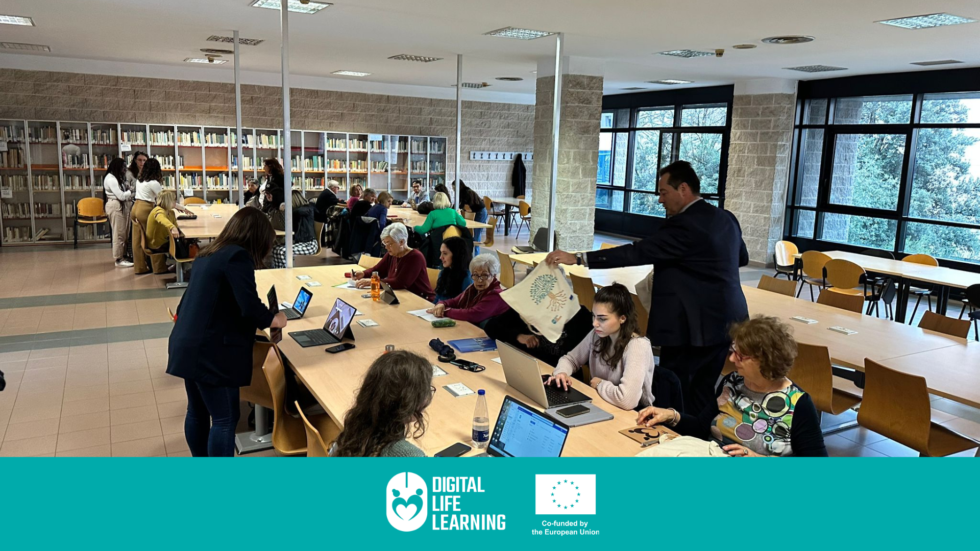
To be able to do so, the students underwent training by professionals on 26 February on technical expertise and effective teaching methodologies tailored for older learners. The initiative aims to enhance digital literacy among older adults, fostering social inclusion and connectivity within the community. Moreover, participating students can gain valuable teaching experience and receive certification upon completion, enhancing their credentials in the job market. By leveraging intergenerational learning, Digital Life Learning bridges the digital divide and builds a more inclusive society for all.

this two-day event aims to bolster the skills and capabilities of gE4Cities local groups. It will offer a valuable platform for knowledge exchange, networking, and collaboration among gE4s. To apply, please send an email to info@garagerasmus.org.

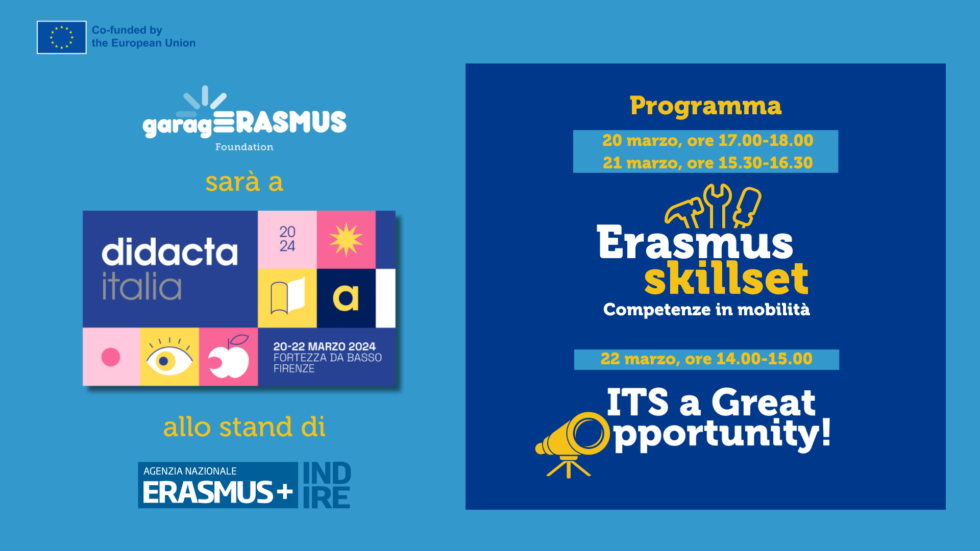
For the first time in its history,  garagErasmus Foundation will participate in the exhibition DIDACTA ITALIA, which will take place in Florence, Italy, from 20 to 22 March 2024.

DIDACTA ITALIA is the most relevant event on innovation and the future of education. Originally born in Germany, it is organised by Firenze Fiera, MIUR (the Italian Ministry of Education), Didacta International, Regione Toscana (the Tuscany Region), Comune di Firenze (the Florence Municipality), Unioncamere (the Italian Union of Chambers of Commerce), Camera di Commercio di Firenze (the Florence Chamber of Commerce), Destination Florence Convention Camp; Visitors Bureau, ITKAM (the Italian Chamber of Commerce for Germany), all forming the organizing committee, with the National Agency for Erasmus+ INDIRE as scientific partner.

The participation of garagErasmus is really important, since the Foundation has just launched several projects together with the National Agency for Erasmus+ INDIRE, aimed at strengthening relations between actors involved in internationalization processes as well as creating new opportunities for current and former exchange students. Among the projects recently launched we cannot fail to mention The Plus of Erasmus, the successful format dedicated to Erasmus students who have recently landed in Italy. Many of them are already taking part in the Accelerator, the online Italian language and culture course, started on 28 February in cooperation with the Dante Alighieri School of Recanati, Marche.

There will be three moments that will see garagErasmus protagonist during DIDACTA ITALIA 2024: first of all, on Wednesday 20 March, at 17:00 (CET) and on Thursday 21 March at 15.30, the event ERASMUS SKILLSET will be held, with the participation of some of the international students currently enrolled in the activities of The Plus of Erasmus. Participants will debate on the skills gained during their experience abroad, which ones can be successfully employed in the job market, and which ones can be improved. garagErasmus Foundation works every day on the so-called “Erasmusness”, to achieve the formal certification of these skills that are getting more and more crucial in the job market.

Finally, on 22 March, at 14:00, the new project ITS a Great Opportunity coordinated with the National Agency for Erasmus+ INDIRE will be officially launched. Its main objective is the dissemination of international opportunities offered by Higher Technical Institutes in High Schools.

garagErasmus Foundation is very proud of its cooperation with the National Agency for Erasmus+ INDIRE, which is, day by day, building new bridges and fostering live dialogues between educational actors: participation in DIDACTA ITALIA 2024 will be another important step in this direction.

__

Italian

Competenze e opportunità internazionali sono al centro dei tre momenti che vedranno la Fondazione protagonista allo stand di INDIRE

Per la prima volta nella sua storia, la Fondazione garagErasmus parteciperà alla fiera DIDACTA ITALIA, che si terrà a Firenze dal 20 al 23 marzo 2024.

DIDACTA ITALIA è l’evento più importante sull’innovazione e il futuro dell’istruzione. Nata in Germania, è organizzata da Firenze Fiera, MIUR (Ministero dell’Istruzione), Didacta International, Regione Toscana, Comune di Firenze, Unioncamere (Unione Italiana delle Camere di Commercio), Camera di Commercio di Firenze, Destination Florence Convention Camp; Visitors Bureau, ITKAM (Camera di Commercio Italiana per la Germania), che costituiscono il comitato organizzatore, con l’Agenzia Nazionale Erasmus+ INDIRE come partner scientifico.

La partecipazione di garagErasmus è importante, dal momento che la Fondazione ha appena lanciato diversi progetti insieme all’Agenzia Nazionale Erasmus+ INDIRE, con l’obiettivo di rafforzare le relazioni tra gli attori coinvolti nei processi di internazionalizzazione e a creare nuove opportunità per gli attuali e gli ex studenti di scambio. Tra i progetti recentemente avviati non possiamo non citare The Plus of Erasmus, il format di successo dedicato agli studenti Erasmus appena sbarcati in Italia. Molti di loro stanno già partecipando all’Accelerator, il corso online di lingua e cultura italiana, partito il 28 febbraio in collaborazione con la Scuola Dante Alighieri di Recanati.

Tre saranno i momenti che vedranno garagErasmus protagonista durante DIDACTA ITALIA 2024: innanzitutto, mercoledì 20 marzo, alle ore 17:00 e giovedì 21 marzo alle ore 15.30, si terrà l’evento ERASMUS SKILLSET, con la partecipazione di alcuni degli studenti internazionali attualmente iscritti alle attività di The Plus of Erasmus. I partecipanti si confronteranno sulle competenze acquisite durante l’esperienza all’estero, su quali possono essere impiegate con successo nel mercato del lavoro e quali possono essere migliorate. La Fondazione garagErasmus lavora ogni giorno sul concetto di “Erasmusness”, per ottenere la certificazione formale di queste competenze che stanno diventando sempre più cruciali nel mercato del lavoro.

Il 22 marzo, alle 14:00, invece, verrà lanciato ufficialmente il nuovo progetto ITS a Great Opportunity coordinato con l’Agenzia Nazionale Erasmus+ INDIRE. Il suo obiettivo principale sarà la diffusione delle opportunità internazionali offerte dagli Istituti Tecnici Superiori nelle scuole superiori.

La Fondazione garagErasmus è molto orgogliosa della sua collaborazione con l’Agenzia Nazionale Erasmus+ INDIRE che, giorno dopo giorno, sta costruendo nuovi ponti e favorendo il dialogo vivo tra gli attori del mondo dell’istruzione: la partecipazione a DIDACTA ITALIA 2024 è un altro importante passo in questa direzione.

Gli individui selezionati per il progetto, che dovranno aver frequentato un ITS e aver fatto un’esperienza Erasmus+, verranno fatti Ambasciatori del progetto a seguito di una formazione specializzata organizzata da garagErasmus in collaborazione con l’Agenzia, il Ministero dell’Istruzione e del Merito e le aziende. Una volta formati, gli Ambasciatori visiteranno le scuole secondarie per interagire direttamente con gli studenti, mettendo in evidenza i benefici degli ITS e le opportunità Erasmus, creando materiali promozionali come video incentrati su queste offerte.

Queste visite mirano a incentivare gli studenti a considerare le esperienze internazionali e la formazione professionale come opzioni valide per il loro futuro educativo e professionale.

Diventare Ambasciatori offrirà agli studenti numerosi vantaggi, tra cui:

  • Partecipare a una sessione di formazione esclusiva condotta da garagErasmus, dall’Agenzia Nazionale e dagli esperti del settore, dove potranno acquisire informazioni  preziose su altre opportunità di partire all’estero, come organizzare al meglio un evento e competenze comunicative;
  • Imparare strategie efficaci per promuovere con passione i loro ITS e condividere al meglio le loro esperienze Erasmus e incoraggiare altri studenti a partire.
  • Diventando un Ambasciatore, avranno un ruolo chiave nel creare una cultura che valorizza e promuove l’esperienza internazionale come parte integrante dell’educazione e della crescita personale.

On May 8, festivities began in the evening with an informal aperitivo and open discussion. Over drinks and conversation, people shared personal reflections on European identity – what it means to belong, and how that feeling often goes beyond borders or institutions. Our ErasMAG team – Kamila, Nitsa, Francisca, and Hannah – joined the conversation, listening and contributing our own thoughts on connection, shared values, and lived experience.

The following day, on May 9, was aimed at approximately 150 Lucchesi high school students, and consisted of a showing of the movie “The Spanish Apartment”. Introductory remarks were made by Marcello Pierucci, President of the Province of Lucca, followed by Luca Menesini and Kata Tüttő, member and president of the European Committee of the Regions, respectively. Moreover, final personal remarks were brought forward by past and present ERASMUS alumni, seeking to inspire and motivate the younger generation present in the crowd – not just to eventually embark on the adventure of studying abroad but also engage in core European values.

Our team of ERASMAG reporters had the opportunity to interview some of these young students present at the event and we were delighted by their outlook. When asked about the sentiments that they associate with Europe and the European Union, words like community, closeness, unity, and family were commonly used. Similarly, when inquired about the possibility of doing ERASMUS or any type of exchange program in the future, all pupils responded positively, showing great enthusiasm for the opportunity to meet new people, get to know different cultures, and learn new languages.

Looking back, the event in Lucca served as reminder of why these conversations matter. It created space for honest dialogue between generations of ERASMUS participants – past, present, and future. And it left us hopeful that more young people will take the chance to step into something unfamiliar and grow from it.

Kamila Aipakova, Nitsa Kokoladze, Francisca Lima, Hannah Svelling – ErasMAG Reporters

Under the slogan “Join the Learning Transformation,” NYH serves as a platform for personal growth, civic engagement, and community development. Focusing on education, democracy, ecology, and culture, NYH provides opportunities for young people (14-25 years old) and youth workers to participate in impactful projects, leadership initiatives, and international collaborations. While based in Tallinn, NYH operates across Estonia and around Europe through a strong network of partner organisations, reaching diverse communities and supporting youth engagement at local, national, and international levels.

garagErasmus is excited to welcome NYH into its network and looks forward to the future initiatives we will develop together. 

A brief recap of these days: the two-day training was designed to bring together representatives of our gE4Cities network to deepen advocacy and lobbying strategies, focusing on building self-funding capacities and long-term sustainability at the local level.

The training sessions included interactive workshops on effective communication, techniques, and practical approaches to developing strategies. Participants also engaged in case studies and group discussions that helped enhance their skills.

It was a training that saw active participation from our network. These were intense days full of idea exchange, discussions, and personal and professional development.

A big thank you to our trainer, Adéla Smejkalová, for her professionalism and expertise. Special thanks also to all participants and collaborators from all over Europe!

A big thank you also goes to Fabrizio Bitetto, President of garagErasmus, who took part in the event to introduce the garagErasmus organization and the next steps in our agenda, including the launch of garagErasmus’s new social media campaign, Fighting EuroApathy, designed to fight apathy towards European Institutions and reconnect citizens with the European Union.

This event was co-funded by Erasmus+ and the Erasmus+ Student and Alumni Alliance.

As every year, the event represents the perfect opportunity to strengthen the links between our partner foundations (universities, companies and local associations), to promote our work to our institutional stakeholders (National Agencies, European Parliament and European Commission) and to build new perspectives for the future of international students, trainees and young professionals.

Together with the National Agency for Erasmus+ en Fédération Wallonie-Bruxelles and ESN Belgium, we will also celebrate the end of the European Year of Skills, gathering professionals and testimonies by Erasmus+ students alike in a public conference, discussing the importance of soft skills and the new but impending need to properly validate them in today’s job market. 

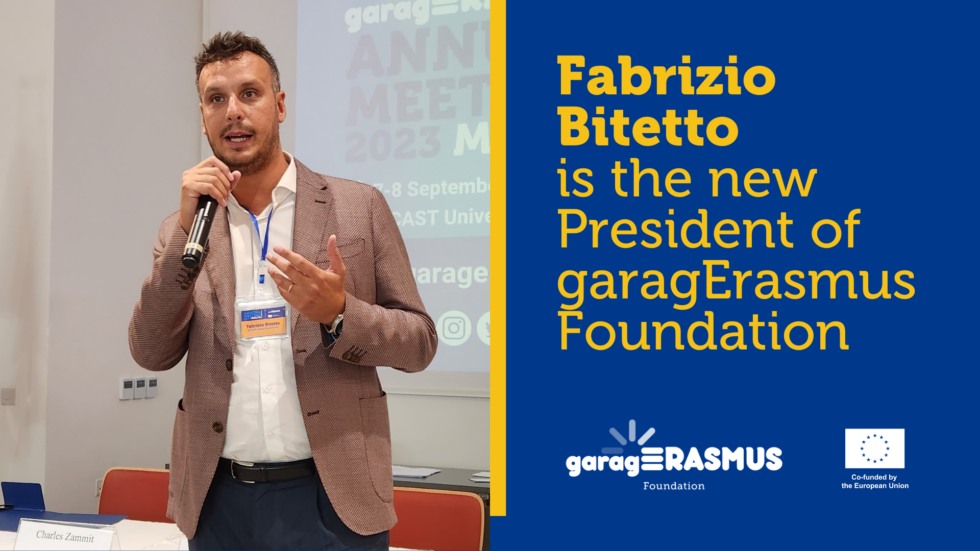
On 8 September in Malta, during the Annual Meeting 2023 of garagErasmus Foundation, Fabrizio Bitetto has been announced to be the next Board President of garagErasmus Foundation. Graduated in Urban Planning and Policy Design at the Polytechnic University in Milan in 2013, he was an Erasmus Student in Madrid in 2008.

Mr Bitetto has been Chief Executive Officer of garagErasmus Foundation since August 2017. During this period the Foundation has grown a lot, with more than 25 Universities Foundation members and 30 local associations all over the world.

Over the years he has played various important roles; for the 30 years of the Erasmus project he was appointed as Italy’s representative for the preparation of the “Erasmus + Generation Declaration” at European level. He launched many of the initiatives that today represent the Foundation at European level.

Another important appointment has gone to Carl Björkman, the new Chairman of the High Level Council of garagErasmus, an advisory forum that supports the development and promotion of the initiatives of the Foundation. Mr Björkman, already a member of garagErasmus board, is Head of Nordics at the Bill and Melinda Gates Foundation. Prior to that, he worked with the World Economic Forum, where he was Director and Head of International Organisations and Government Affairs. He has also worked for Bloomberg, Waterberry Development Organisation, the United Nations, and the European Commission.

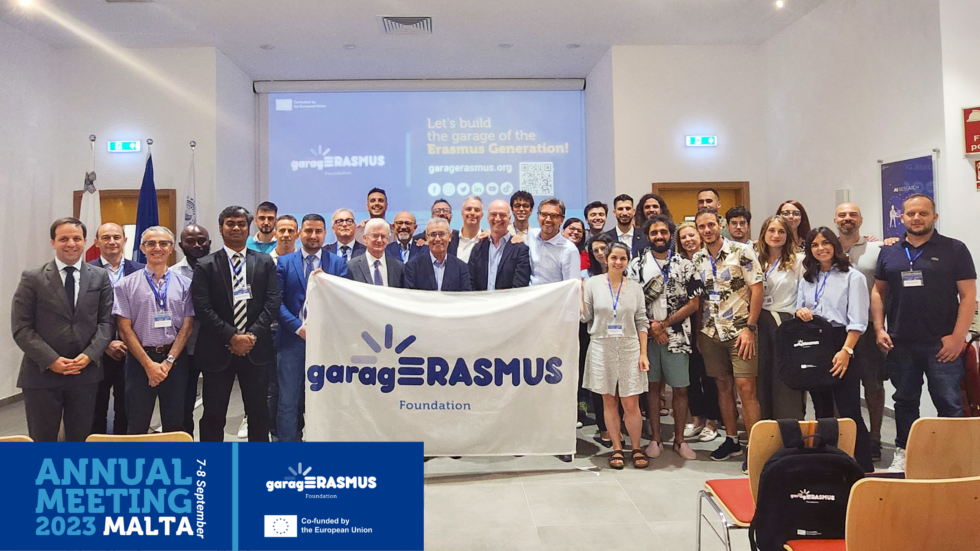
The garagErasmus XI Annual Meeting, held at the Malta College of Arts, Science and Technology (MCAST) University, kicked off with an insightful public conference in line with the European Year of Skills. Moderated by Carlo Bitetto, Network Manager of garagErasmus Foundation, the conference set the stage for a series of keynote presentations.

Francesco Cappè, President of garagErasmus Foundation, took the audience through the history of the organisation, underlining its commitment to promoting greater mobility, supporting a more open and integrated Europe, and introduced Fabrizio Bitetto as the next President of the Board.

Hon. Clifton Grima, Minister for Education and Sport, Malta, led a profound discussion on competences, emphasising the need for both practical competences and ethical values to be European citizens. He stressed that Erasmus and garagErasmus have a crucial role to play in developing these competences and values.

Charles Zammit, Chairman of Education Malta, spoke about Malta’s role as a prominent Erasmus destination and its commitment to supporting international education. He spoke about the Year of Skills and the opportunities it offers young people.

Tatjana Chircop, Deputy Principal Administration, MCAST, presented MCAST’s ambitious growth and wide range of courses.

David Fernandez Puyana, Permanent Observer of the United Nations University for Peace, spoke about the role of education in promoting mutual respect, understanding and peace. He stressed that Erasmus opens up new opportunities and plays a crucial role in conflict prevention.

Rose Anne Cuschieri, CEO of Malta Further & Higher Education Authority, presented guidelines for the recognition of non-formal education in Malta, the expansion and quality assurance of higher education in Malta and the value of informal learning. Both her organisation and garagErasmus share a common goal: the recognition of non-formal and work-based learning.

The conference concluded with the signing of an important Memorandum of Understanding between garagErasmus and the SAE Group, represented by Alberto Leonardis, head of the SAE Group, which marks a joint effort to give voice to the Erasmus generation through an ambitious editorial project.

Another important MoU was signed shortly after, when garagErasmus Foundation was pleased to welcome the city of Baku in its network of gE4Cities with the representative Elmar Guliyev, marking the creation of gE4Baku. 

The day also included the presentation of the garagErasmus Annual Report and Work Plan, followed by an interactive Q&A session. Discussions focused on strengthening the network and shaping the future of garagErasmus, including a thought-provoking discussion with Mr Evarist Bartolo, former Minister of Foreign Affairs and former Minister of Education, Malta. Mr Bartolo emphasised that addressing the skills gap should include a focus on values and ethics, as a narrow definition of skills is insufficient to address the significant challenges facing the EU.

Day 2  Friday, 8 September

The second day of the garagErasmus XI Annual Meeting started with the presentation of garagErasmus guests and gE4s, and continued with discussions on ErasmusCity and student housing. gE’s new president Fabrizio Bitetto and Maria Teresa Gullace, Researcher at Politecnico di Milano and project manager of Home Of Mobile Europeans project, looked at the challenges and opportunities associated with student accommodation, an often underestimated but crucial aspect of international student life.

Maria Teresa highlighted the fundamental need for affordable and quality housing solutions for mobile students and stressed the importance of policies and regulations as the first approach to consider when addressing student accommodation. The role of universities in bridging the gap between students and the housing market was a key point of discussion. Participants also explored ways in which universities can work with associations that help students find suitable accommodation. The day concluded with discussions on gE’s mission, upcoming campaigns, sharing of best practice and plans for future meetings.

In conclusion, the garagErasmus XI annual meeting served as a platform for meaningful dialogue, cooperation and sharing of best practices in international education. It brought together gE members, educators, policy makers and Erasmus alumni who are committed to promoting international education and fostering a more integrated Europe. As garagErasmus looks to the future, it remains steadfast in its mission to empower the Erasmus generation and shape the future of international education.

Together with our members from all over Europe, we’ll celebrate the Year of Skills 2023.

On  7-8 September, we will give the opportunity to discuss the importance of this Alliance in the lives of young working people.

The event is the perfect opportunity to strengthen the links between our partner organisations (universities, companies and local organisations) and to present our work to our institutional stakeholders (NAs, European Parliament and European Commission).

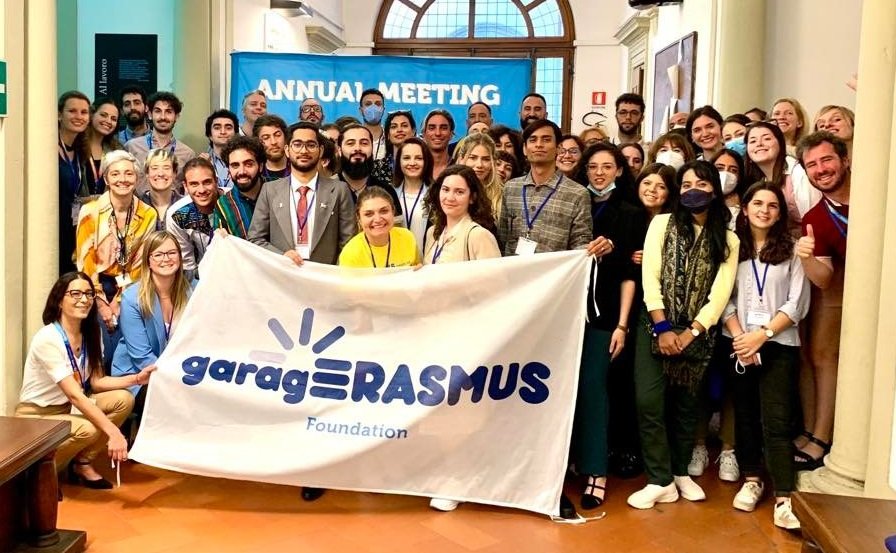
The annual meeting of garagErasmus took place in Florence from the 8th to the 10th of May 2022, during the occasion we also celebrated the 35th anniversary of the Erasmus+  programme and the 10 years of the Foundation!
Almost 100 people representing institutions, universities, partner associations, local chapters and Erasmus students and Alumni gathered to celebrate the 10 years of the garagErasmus Foundation.

The festival of Europe offered the perfect scenario to grow and showcase garagErasmus network activities, to present its annual work to institutional interest groups and to create new opportunities for the future of the Erasmus Generation.

In fact, the aim of the event was to create stronger ties among our partners and share ideas and information about ongoing projects.  garagErasmus’ annual report highlighted both the flagship projects, such as the plus of Erasmus and the EU funded projects garagErasmus is currently working on, such as Handshake, SustainEu, Brights and EDU2030: Youth in Transition. Moreover, garagErasmus team was also glad to share with its members the developments of its new flagship project gEcity currently under construction in Milan and its ambitious plan to scale up the project by opening 5 new gEcity in the next decade.

Special attention was drawn to the final conference of the Euthpages for Europe project funded by the European Parliament where gE hosted EU representatives and young ambassadors to present the results of 25 local events held all around Europe and to discuss how to give continuity to the impact of the Cofoe and to keep shaping the future of Europe together.

During the open discussion, participants stressed the importance of strengthening synergies among our network to actively involve universities and existing local chapters and to reach out to new potential members.

We therefore decided to open a space for cooperation and collaboration organised in three working groups that will work together in the following months on three core European issues such as Youth civic Engagement, the future of EU Job Market and the Digital Transformation of EU Education. The working groups will allow our members to meet regularly and exchange expertise and knowledge to eventually create future projects together.

Furthermore, some of the most motivated youngsters of the Erasmus students and Alumni Incubator volunteered to open new g4s in Europe and beyond. gE4 Budapest, gE4 Tiblisi, gE4 Wroclaw and gE4Tirana will soon enter garagErasmus members network!

The attendees could also share some ideas on garagErasmus’ role within the Erasmus+ Student and Alumni Alliance (ESAA)  in order to work together on grants and EU projects and. Friends of gE and partner organisations such as Centro Studi Internazionali (CSI), Europiamo, Scambi Europei, Erasmus Student Network (ESN) and Organisation for Cooperation and Exchange And Networking among Students (OCEANS) also shared their work and plans for future cooperation.

The annual meeting was also the occasion to celebrate, together with the Italian national agency INDIRE, the 35th anniversary of the Erasmus+ programme. Throughout Sunday we welcomed several students and children to our stand in Piazza della Repubblica promoting the Erasmus Programme and its exchange opportunities. On Monday morning we attended INDIRE’s Conference on the success stories of the Erasmus programme.

The conference has been a success for garagErasmus as well, as the Major of Firenze Dario Nardella directly engaged in a long and inspiring conversation with our Erasmus students and alumni.

Annual Meeting Gallery

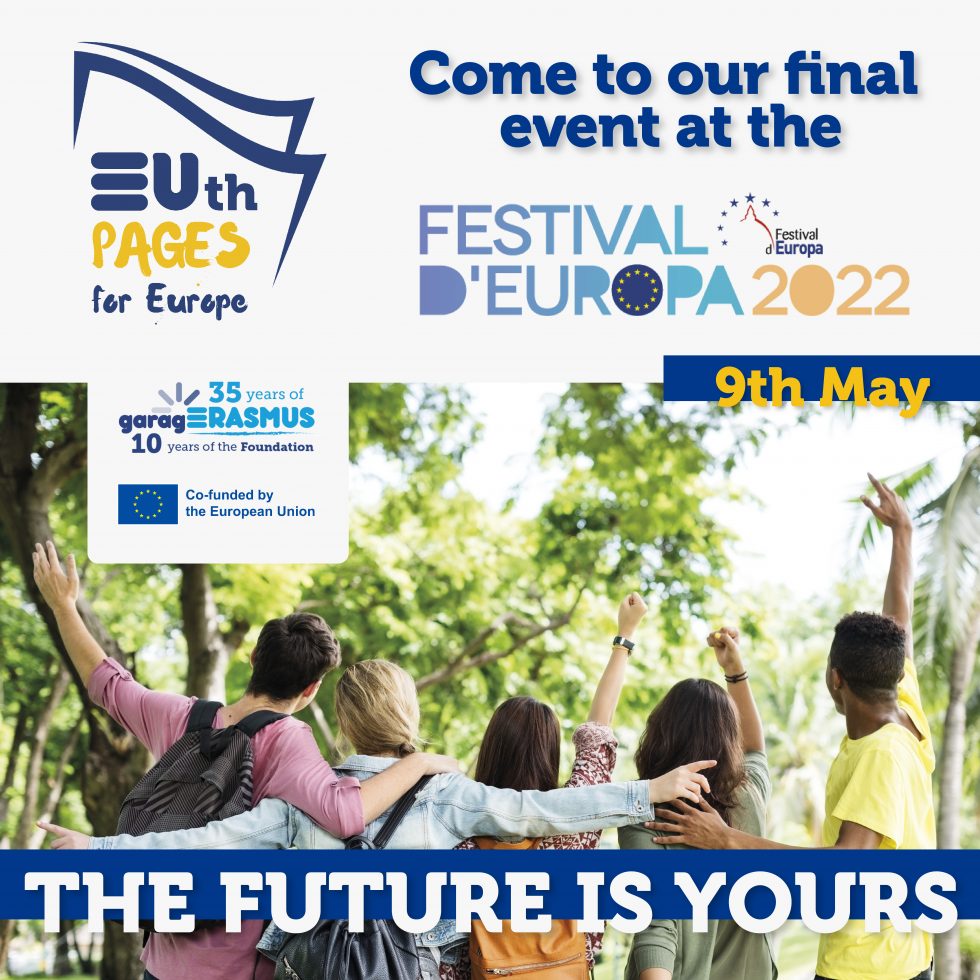
Our EUTH Pages project will be officially closed on May 9th in the framework of the celebration of the Festival of Europe.

Join us and get to know the ideas and experiences of our young people to build together the future of Europe.

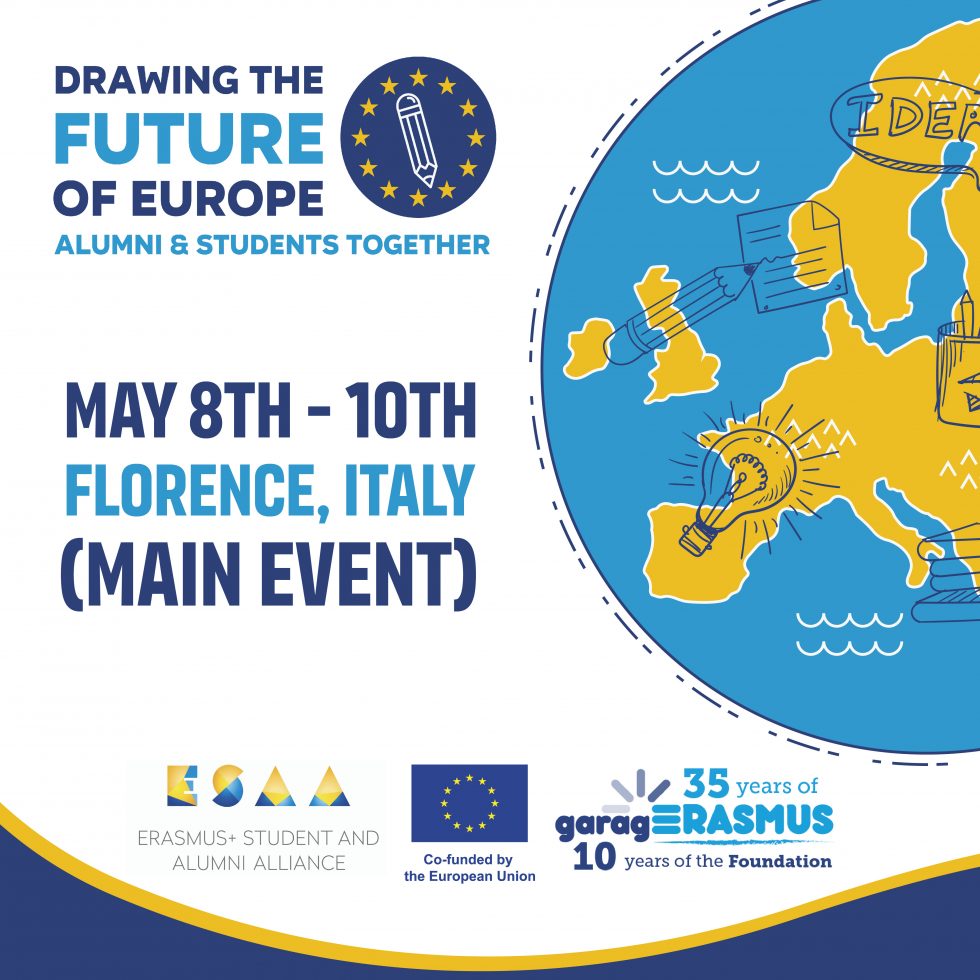
We are happy to announce that from the 8th to the 10th of May, a group of successful Erasmus students will have the chance meet highly qualified Erasmus Alumni and young professionals within a 3-day training incubator.

The project is supported by the European Commission through The Erasmus+ Student and Alumni Alliance.

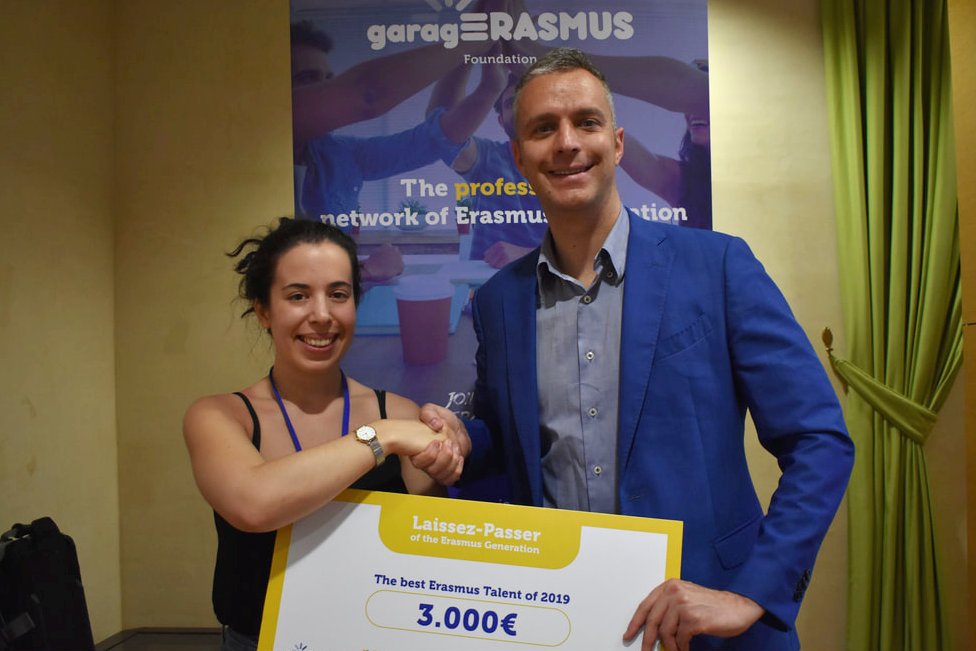
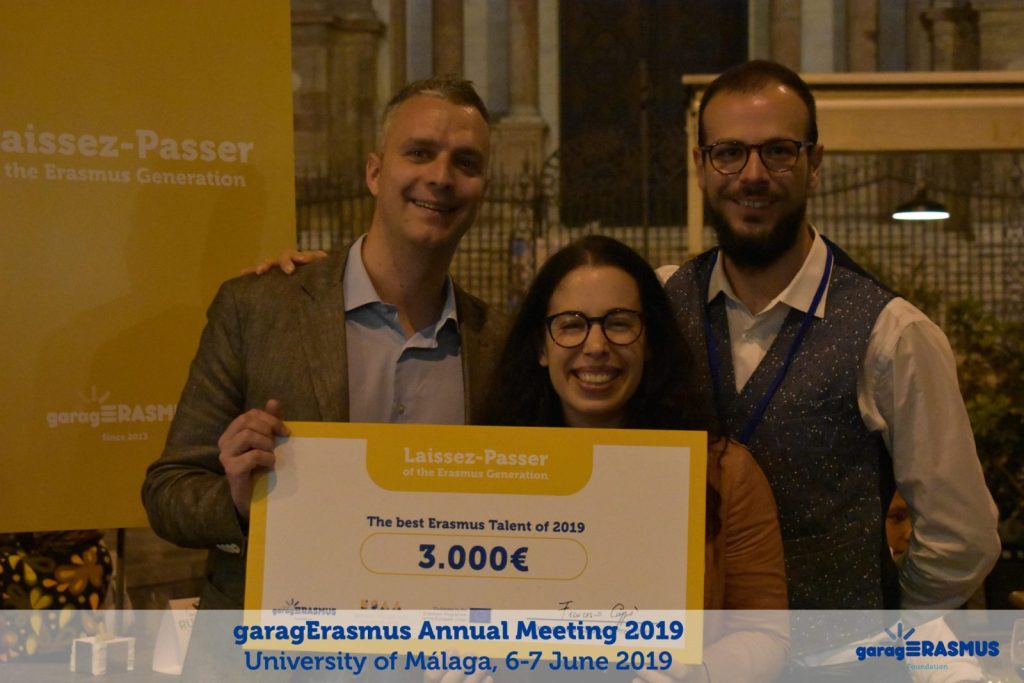
  • During the event Orsolya Réka Süli was recognised as the best talent of the Erasmus Generation (Golden Laissez-Passer). Her project, seeking to address the climate impact of our daily purchases, will develop a database gathering information on the environmental impact of a wide range of food products.

During the Annual meeting participants stressed the importance of synergies between universities, companies, cities and associations to improve the career of young professionals. Furthermore, it was the perfect scenario to strengthen links among garagErasmus network members, to present its annual work to institutional interest groups (National Agencies and European institutions) and to create new opportunities for the future of the Erasmus Generation.

In fact, the aim of the event was to create stronger links among our partners and share ideas and information about ongoing projects. Participants to the meeting were mainly representatives of European universities, young entrepreneurs and members of our network.

garagErasmus’ annual report and last year’s flagship projects, such as the International Talents Match or Laissez-Passer of the Erasmus Generation, were presented during the meeting, as well as the funded projects by the European Commission garagErasmus is currently working on, such as Erasmus Vote Power, SEND, EYVOL or IYE-LABS.

The attendees could also share some ideas on garagErasmus’ role as Erasmus Alumni network in order to work together on grants and EU projects and the next generation of the Erasmus+ programme.

The work of Erasmus+ Student and Alumni Alliance (ESAA) member organisations -Erasmus Mundus Association (EMA), Erasmus Student Network (ESN), Organisation for Cooperation and Exchange And Networking among Students (OCEANS)- and EuGen, among others, was also analysed.

The Golden Laissez-Passer award

The Laissez Passer award recognises with a symbolic passport European talents who have relevant mobility experiences – study or work -. Its winners are provided with benefits and opportunities in their professional careers.

On this occasion, Orsolya Réka Süli was the winner of the Golden Laissez Passer 2019 among all  the 600 projects presented on our platform. She will receive €3,000 to develop her idea.

Her project seeks to address the climate impact of our daily purchases by developing a database that will gather information on the environmental impact of a wide range of food products.

Orsolya also wants to develop a consumer solution to provide actionable information to consumers. She strongly believes that this experience will further equip her with necessary research experience in environmental issues, as well as grow my network of researchers.

These were the other 5 finalists who attended the meeting. We would like to congratulate them all for their outstanding projects:

  • Ioannis Ladeas, with his idea is to implement the project “Traveling for change” and create a short documentary film (documentary) focusing on how the EU, and particularly the Erasmus+ programme, is empowering refugees living in Europe.
  • Mahsa Samadi’s “Uccello” project seeks to create a unique platform for students who study abroad can meet the inquirires from local citizens in order to get some jobs.
  • Carolle Audrey Madiesse Lafo’s project to create a platform to facilitating Erasmus students to access a well-defined Learning Agreement. This platform will include the departments and courses studied in Erasmus countries divided into semesters, credits and if possible a timetable and the availability of the course.
  • Roberto Luca Saldi’s project to organize a campaign involving the Erasmus generation over the fight against Climate change with a two-day training: including debates with key stakeholders, to shape an Erasmus Green Act. 27 Erasmus talent will be selected, to build the Act and then spread it.
  • Federica La Mastra’s project is to create an online community to empower artists and create opportunities for theis success, a specialised platform for artists to connect with each other and showcase their work to others.

About garagErasmus Foundation

garagErasmus Foundation was founded in 2012 as the creative hub of the Erasmus Generation with the mission of improving the lives of people who had international study or work experiences by enabling them to access opportunities that can make their careers more impactful for the European Community. garagErasmus currently has 18 local associations (gE4Cities) and 30 member universities.

During its seven years of life garagErasmus has promoted initiatives such as the aforementioned Laissez Passer, speed networking sessions (“Talents Match”) or the online platform weTipp, where former Erasmus students, companies, universities, local authorities and associations can meet to share opportunities and promote joint initiatives.
​
garagErasmus is supported by the main institutions in Europe. Every year the European Commission invites 250,000 former Erasmus students to register on its online platform.

On the occasion of the 2024 Higher Education European Networking Summit and in collaboration with the European Commission, garagErasmus established two new Focus Groups.

The first is a Policy Focus Group composed of two members from the garagErasmus Secretariat, five representatives from gE4 local communities, and five representatives from higher education institutions (HEIs). This group will be responsible for shaping, promoting, and implementing strategic initiatives that support the organization’s mission to enhance educational outcomes across Europe.

The second is a Focus Group on European Universities Alliances which will be established to explore the functioning and impact of European Universities. It’s objective is to provide the Directorate-General for Education, Youth, Sport and Culture (DG EAC) with reliable insights into the real-world operations of these institutions. The group will examine how mobility budgets are allocated within standard university agreements and alliances, and assess the influence of being part of a European University Alliance on funding evaluations by National Agencies (NAs). This work aims to support evidence-based decision-making and improve policy implementation across the European Higher Education landscape.

During these two days, communication and project team members from the Milan, Vicenza, and Brussels offices came together to discuss and exchange views on the foundation’s current priorities, future strategies, and ongoing projects.

Together, we reviewed ongoing initiatives, explored new formats and ideas for social media content, and discussed how to further engage our audiences across Europe.

It was a valuable opportunity to bring together different perspectives, strengthen internal collaboration, and reinforce our vision.

Finally, the meeting included a visit to Ponte Lambro, an inspiring neighborhood in Milan, full of energy, potential, and new opportunities. It’s a place you’ll hear more about in the near future, so stay tuned, news is yet to come!

This partnership strengthens the Foundation’s mission to support upskilling and reskilling, helping individuals and organizations navigate the green and digital transitions.

The Pact for Skills connects public and private entities, providing access to valuable resources such as insights into skill development needs, funding guidance, and networking opportunities. As a member, garagEasmus commits to fostering lifelong learning, building partnerships, aligning training with market demands, and promoting inclusivity and equal opportunities.

Through this collaboration, the Foundation will benefit from EU-supported platforms like the Networking Hub, Knowledge Hub, and Guidance Hub, ensuring access to tools, best practices, and funding opportunities. This marks a significant step in garagEasmus’ ongoing efforts to enhance education, mobility, and career development across Europe.

This momentous stride towards the conception of a European degree represents a significant leap forward in our collective European educational journey, building on the solid foundation laid by the Erasmus program—the pioneering European Union project that recognized studies abroad and facilitated a common framework for higher education.

As an organization deeply committed to promoting study mobility and its profound impact on the workforce and job market within Europe, garagErasmus Foundation has been an advocate for such advancements from the very beginning of its story. The introduction of a European degree is a crucial development that we believe will greatly facilitate worker mobility across Europe, meeting the evolving demands of the labour market and making graduates more attractive to prospective employers. This initiative will not only enhance the competitiveness of European higher education on the global stage but also significantly improve the learning mobility and transversal skills of students within the EU.

garagErasmus Foundation is particularly enthused by the proposed European degree policy lab supported by the Erasmus+ programme, set to be established in 2025. This initiative will play a pivotal role in engaging Member States and the higher education community in developing guidelines towards the realization of a European degree, facilitating seamless cooperation between institutions across borders.

We commend the European Commission’s commitment to simplifying and improving quality assurance processes and practices, and to automatic recognition of university degrees across the EU. These steps are essential for fostering trust, accountability, and the performance of universities, making the European degree a reality.

As garagErasmus Foundation, we remain steadfast in our dedication to supporting all European policies aimed at enhancing study mobility and workforce integration within Europe. We will continue to work diligently towards making the vision of a European degree a reality, contributing to a more integrated, innovative, and inclusive European higher education area.

 In the aftermath of the COVID-19 crisis, the EU is resetting its growth strategy, based on sustainability, and the green and digital transitions as transformative drivers. But… How can educational institutions & governments act as levers for a change?

The European Education Area aims at structuring collaboration between Member States and stakeholders to build more resilient and inclusive national education systems. Nevertheless, unlike its direct predecessor (the Bologna Process), it is limited to European Union Member States and covers different levels and sectors of education to support lifelong learning. You can visit its official website here.

Its development & current state

In September 2020, the European Commission presented its vision for the creation of a European Education Area by 2025 and proposed concrete measures to achieve it on the basis of 6 dimensions: quality, inclusion and gender equality, green and digital transition, teachers, higher education & geopolitical dimension.

Some months later, in February 2021, the Council of the EU responded with a Resolution on a strategic framework for European cooperation in education and training for the period 2021-2030 providing the essential structure for collaboration between all the EU Member States and key stakeholders. Its key objectives are:

  • Supporting EU Member States in their reforms of education and training systems
  • Enhancing synergies with other policy areas such as research and innovation, social policy, employment or youth, and with EU funding instruments to better support national reforms.
  • Following a holistic approach is key in order to effectively implement the EEA: efforts to establish the European Education Area are working in synergy with the European Skills Agenda, the renewed Vocational Education and Training policy and the European Research Area.
  • Identifying targets and indicators to guide work and monitor progress: a reporting and analysis structure to encourage and track reforms.

All these measures are supported by the NextGenerationEU and the Erasmus+ Programme.

What are the targets to achieve the European Education Area?

Together with Member States, the European Commission wants to set two different targets to achieve the European Education Area.

By 2025:
  • 60% of vocational education and training students should take part in work-based learning
  • At least 47% of adults aged 25-64 should have participated in learning in the previous 12 months
By 2030:
  • The share of low-achieving 15 year-olds in mathematics, reading and science should be less than 15%
  • The share of low-achieving students in their eighth year of schooling in computer and information literacy should be less than 15%
  • 96 % of children aged between three and the compulsory school age should participate in early childhood education
  • The share of early school leavers should be less than 9%
  • The share of 25-34-year-olds with tertiary education attainment should be at least 45 %

Would you like to add your contributions to the European Education Area?

The first step to making your voice heard is registering on the Conference on the Future of Europe platform: http://futureu.europa.eu. Once you log in, it’s time to share your ideas on how to build a healthier Europe for everyone. You are entitled to 1500 characters to present your idea, and approve or comment on those of others, in any of the 24 EU official languages.

Presented in April 2021, the multilingual digital platform of the Conference is playing a key role, enabling all the EU citizens -but also public actors & all kinds of organisations from civil society- to provide their views & opinions on any relevant topic for the future of Europe.

Erasmus+, which has demonstrated that it plays a significant role in fostering European identity, will have almost double the funding in 2021-2027 (over €28bn from different sources) when compared to the previous seven years (€14.7bn). MEPs managed to secure an additional €2,2bn during the final stages of negotiations with the Council.

In the plenary debate ahead of the approval of the programme, most speakers said that young peoples’ lives have been affected by COVID-19 and stressed the importance of Erasmus+, evaluated by citizens as the most successful EU programme, for Europe’s future generations. You can watch the debate again here.

In order to ensure a smooth transition from the previous programme period, retroactivity provisions in the regulation ensure that the new Erasmus+ enters into effect from 1 January 2021. Application processes and calls for proposals have already been set in motion by the Commission and in many member states.

Stay Connected!

Follow us on social media and be part of the journey — updates, opportunities, and Erasmus vibes await!