Blog

Our Latest Blogs

which took place in Stockholm on 20–21 June. It was a valuable opportunity for us to reconnect, reflect and reimagine what we can achieve as a network.

This event was more than just a formal gathering; it was a true moment of exchange and shared vision. We focused on key themes such as employability, cultural exchange and international collaboration, discussing how international experiences can boost employability, build intercultural skills and strengthen global collaboration.

The active involvement of ESAA’s sister organisations strengthened the collective message: we are building a stronger, more inclusive and impactful network.

A powerful reminder from this meeting: mobility isn’t just movement: it’s transformation.

You can follow the work of our reporters on our social pages Instagram and TikTok.

The project is promoted by garagErasmus, University of Pavia and Gruppo SAE.

Our Network Manager, Carlo Bitetto, has presented ErasMAG to the EC2U Alliance, that is gathering at the University of Pavia.

The European Campus of City-Universities (EC2U) is a multi-cultural and multi-lingual Alliance consisting of eight universities from diverse regions of the European Union: the Universidade de Coimbra, the Gheorghe Asachi​ Technical University of Iași, the Friedrich-Schiller-Universität Jena, the Johannes Kepler Universität Linz, the Università degli Studi di Pavia, the Université de Poitiers (Coordinator), the University of Salamanca (Universidad de Salamanca) and the Turun yliopisto – University of Turku.

How to include, not only Erasmus, but also PhD students in the ErasMAG project, has been one of the topics discussed by the alliance.

Stay tuned for the press conference presenting the project, to be held at the University of Pavia on 14 October 2025!

#erasmag #erasmus #university #universityofpavia

Dreaming of a greener holiday? Start with these easy tips:

1. Respect culture and people

Every place has its own customs, and it’s always best to know them and show respect.

It’s a great idea to learn a few basic words in the local language.

2. Support local businesses

When you travel, choose local shops, guides and activities.

It helps the local economy while preserving the character of the place.

3. Use sustainable transports

Choose the most sustainable transport options, like public transport, whenever you can.

This reduces CO2 emissions and helps minimize the poor air quality that comes with mass tourism.

Let’s travel responsibly and leave a positive footprint this summer!

The two-day Assembly gathered representatives from across Europe and beyond for a dynamic programme of plenary discussions, thematic workshops, and collaborative strategy sessions. Topics ranged from sustainable leadership and diversity in mobility to innovative alumni engagement and cross-organizational cooperation.

garagErasmus contributed actively to the dialogue, sharing its vision for empowering the Erasmus Generation and deepening its longstanding commitment to supporting international talent. The Foundation highlighted the importance of synergy among ESAA partners and the need for strategic partnerships that can foster sustainable and inclusive mobility ecosystems.

By participating in the EMA General Assembly, garagErasmus reaffirmed its role as a catalyst for international cooperation and as a dedicated advocate for the values of Erasmus: openness, opportunity, and unity in diversity.

On the occasion of the 2024 Higher Education European Networking Summit and in collaboration with the European Commission, garagErasmus established two new Focus Groups.

The first is a Policy Focus Group composed of two members from the garagErasmus Secretariat, five representatives from gE4 local communities, and five representatives from higher education institutions (HEIs). This group will be responsible for shaping, promoting, and implementing strategic initiatives that support the organization’s mission to enhance educational outcomes across Europe.

The second is a Focus Group on European Universities Alliances which will be established to explore the functioning and impact of European Universities. It’s objective is to provide the Directorate-General for Education, Youth, Sport and Culture (DG EAC) with reliable insights into the real-world operations of these institutions. The group will examine how mobility budgets are allocated within standard university agreements and alliances, and assess the influence of being part of a European University Alliance on funding evaluations by National Agencies (NAs). This work aims to support evidence-based decision-making and improve policy implementation across the European Higher Education landscape.

One of the most moving moments was dedicated to the testimonies of Erasmus students: young men and women took the stage to share their adventures abroad, the challenges they faced, and the bonds they created. Each story was met with heartfelt applause, not only from the audience but also from their classmates, visibly touched and proud. There was a genuine sense of community in the air, as if each story was a piece of a bigger puzzle: that of a young, dynamic, and supportive Europe.

Making the atmosphere even more special was the incredible Erasmus Orchestra, which accompanied the event with overwhelming energy. The music spread through the streets and squares of Florence, giving rhythm to the day and turning it into something unique. It truly felt like living inside a movie, with a live soundtrack marking every emotion, every encounter, every smile.

The afternoon seminars, full of initiatives and European projects, focused on adults as participants in Erasmus mobility. A common theme that emerged was the desire – and at the same time the challenge – to encourage young people’s participation and their understanding of how Europe works. Through the collection of stories, sharing of knowledge, and mobility experiences at European institutions, everyone encouraged us to follow in their footsteps and reminded us what Europe really means in our daily lives.

The Festival d’Europa was not just an event: it was a collective experience, a celebration of cooperation between different cultures, and a reminder that Europe is much more than a geographic area – it is a living project, made of people, music, and stories that deserve to be told.

Souzana Maria Serveta – ErasMAG Reporter

The morning’s main highlight was garagErasmus’ vibrant initiative, which placed children and civic engagement at the center. Among the most engaging activities was the Play with Europe game – a giant jigsaw puzzle map of Europe, tailored for kids. As they assembled the colorful pieces, children improved their geography skills and discovered the beauty and diversity of Europe. garagErasmus volunteers kept the learning going by asking fun and age-appropriate questions such as “Can you name a country where people speak Spanish?” or “Can you find an island country on the map?”. Correct answers were rewarded with small prizes, and the activity sparked joy, curiosity, and learning.

Alongside this, a suggestion box titled “The Future of Europe” invited participants of all ages to submit their dreams, ideas, and hopes for the EU. From bold policy suggestions to heartfelt personal reflections, the messages added a meaningful dimension to the day’s celebrations.

Of course, other partners contributed to the festival’s dynamic spirit. For instance, the Erasmus Student Network (ESN) organized a popular speed-dating activity that encouraged spontaneous and cross-cultural exchanges with Erasmus students. Participants shared stories and cultural insights, fostering connections that often began as a quick chat and ended in genuine friendship.

Adding to the festivity, the day also featured live music and dance performances. Notably, the Erasmus Orchestra delivered captivating performances that echoed through the city’s historic heart, blending classical elegance with youthful energy. Later on, the Accademia dell’Incompiuto di Pontedera brought an energetic mix of singing and dancing, lifting the crowd with their spirited presence. These rhythmic interludes created an atmosphere of unity that drew everyone – locals, tourists, and festival-goers alike – into the celebration.

Festival d’Europa 2025 is more than just a celebration – it’s a vibrant call to action. It invites us to connect beyond our differences, celebrate our shared heritage, and co-create the future of Europe through dialogue, creativity, and joy.

As the festival concluded, one message rang loud and clear: Europe is alive, united, and full of potential – and it all starts with people coming together.

Elvin Musayev – ErasMAG Reporter

The Pact for Skills aims to support public and private organisations in upskilling and reskilling people of working age, so they can thrive in the labour market and society, especially through the green and digital transitions. It is also the first key action of the European Skills Agenda, a five-year plan launched by the EU Commission to help individuals and businesses develop more and better skills by strengthening sustainable competitiveness, ensuring social fairness, and building resilience to face crises.

The webinar offered an overview of the Union of Skills pillar, which focuses on attracting, developing, and retaining talent. Participants had the opportunity to know more about the new Union of Skills initiative by:

  • Learning how the Pact for Skills can contribute to the Union of Skills;
  • Hearing from experts and Pact members about mobility and migration initiatives that are helping to address workforce shortages;
  • Exploring good practice examples and taking part in an engaging discussion on how EU-level policies are being translated into action on the ground.

The thematic webinar allowed participants to explore good practices and served as an important opportunity for sharing and discussing the obstacles faced by the EU in addressing significant labour and skills shortages across multiple sectors. The event featured contributions from experts and presented some strategies for overcoming these challenges.

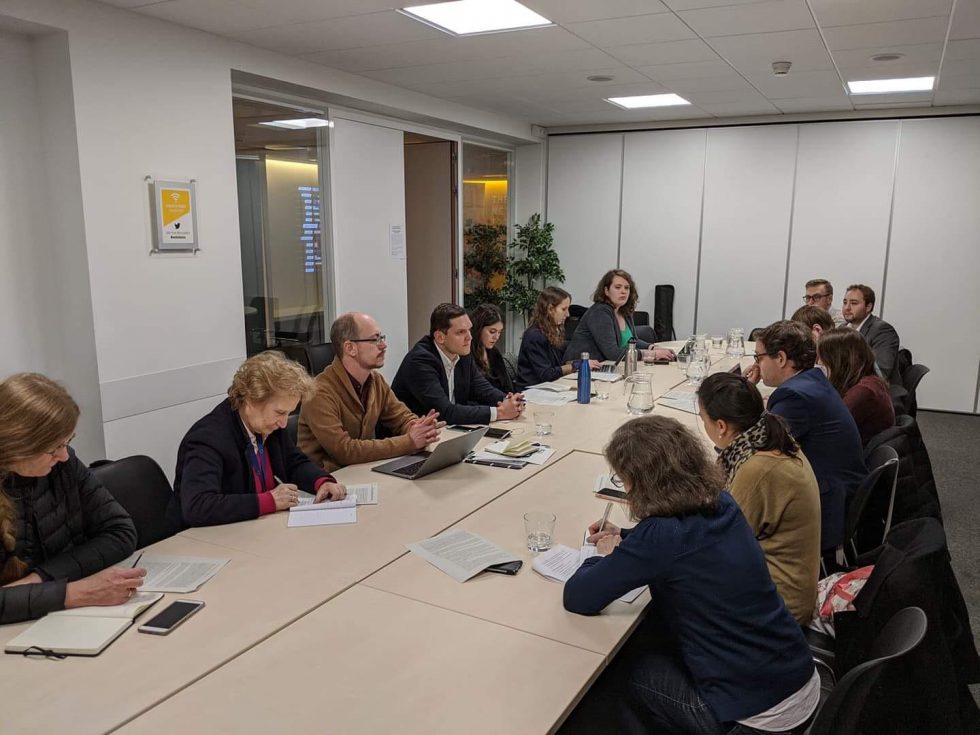
During these two days, communication and project team members from the Milan, Vicenza, and Brussels offices came together to discuss and exchange views on the foundation’s current priorities, future strategies, and ongoing projects.

Together, we reviewed ongoing initiatives, explored new formats and ideas for social media content, and discussed how to further engage our audiences across Europe.

It was a valuable opportunity to bring together different perspectives, strengthen internal collaboration, and reinforce our vision.

Finally, the meeting included a visit to Ponte Lambro, an inspiring neighborhood in Milan, full of energy, potential, and new opportunities. It’s a place you’ll hear more about in the near future, so stay tuned, news is yet to come!

Under the slogan “Join the Learning Transformation,” NYH serves as a platform for personal growth, civic engagement, and community development. Focusing on education, democracy, ecology, and culture, NYH provides opportunities for young people (14-25 years old) and youth workers to participate in impactful projects, leadership initiatives, and international collaborations. While based in Tallinn, NYH operates across Estonia and around Europe through a strong network of partner organisations, reaching diverse communities and supporting youth engagement at local, national, and international levels.

garagErasmus is excited to welcome NYH into its network and looks forward to the future initiatives we will develop together. 

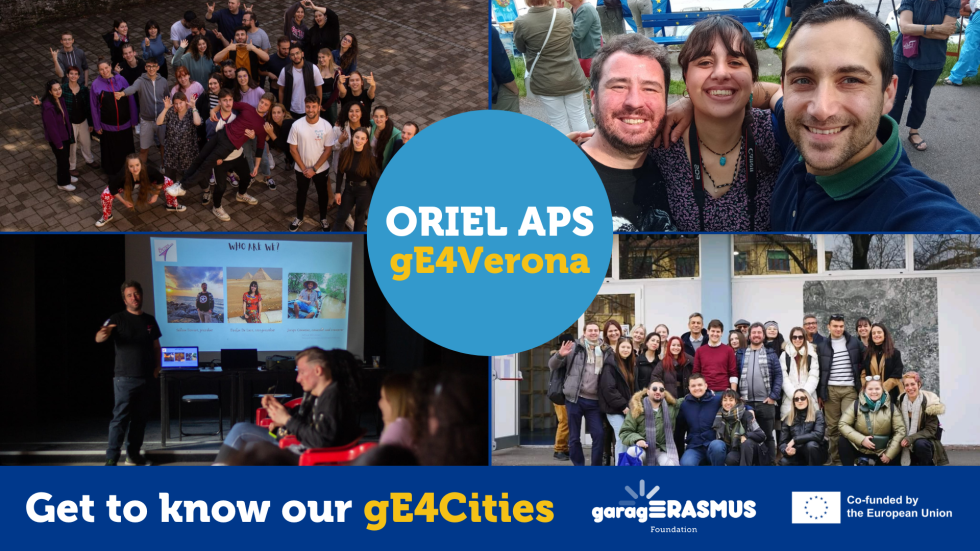
volunteering and democratic participation of young people by organizing cultural events, youth exchanges, training courses and workshops.

Oriel is also active in promoting social, economic and environmental sustainability.

To achieve its goals, Oriel works primarily with the European Union’s ErasmusPlus and European Solidarity Corps programs.

We are very pleased to have Oriel on board and look forward to working with them for the betterment of Europe!

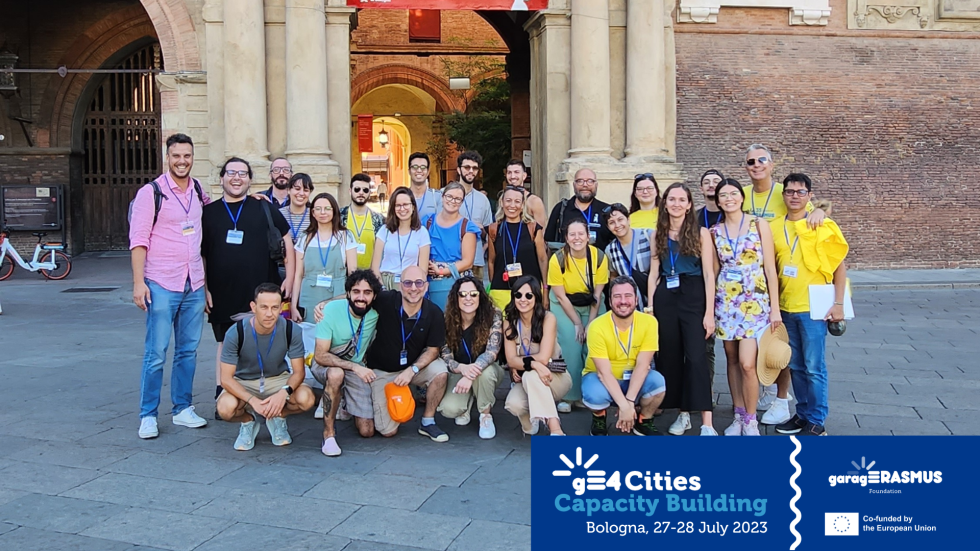
The Capacity Building aimed to strengthen and improve the skills of the gE4Cities local groups on “Networking and Project Implementation and Communication”, while providing a platform for knowledge sharing, networking and collaboration among gE4Cities. 

The two-day event, attended by many participants from different parts of Europe and beyond, was the occasion for Fabrizio Bitetto, CEO of the garagErasmus Foundation, to welcome the new local associations and introduce them to the garagErasmus network.

On the first day, thanks to a poster session dedicated to gE4Cities, the participants had the opportunity to get to know each other and the network by presenting their organisations and ongoing projects. They also had their say on the future strategy and membership of garagErasmus, suggesting valuable starting points for next year’s work. 

The following day, two activities were organised around the theme of capacity building: an interactive session led by Lia Chiara Miccichè, one of the initiators of the garagErasmus Foundation and now co-founder of LimeUp, on the best ways to develop and manage a project; a workshop led by Arianna Ioli, Director of Europa Business School, on how to use storytelling to communicate projects involving participants in a peer-to-peer activity. Participants were also able to get an overview of the next funding opportunities and garagErasmus projects for 2023, including activities related to the European Year of Skills, Erasmus Days, the European Digital Education Hub and the gE4women entrepreneurship platform – presented for the first time during the event – as well as other plans for 2024. 

We are very grateful to our gE4Cities for their productive engagement and contribution to the sessions, workshops and discussions that took place. This capacity building was a great step forward towards a more united and effective network for the Erasmus generation.

Special thanks to Stefano Campanari, CEO of Scambieuropei and gE4Bologna, and to the staff of Scambieuropei for hosting the event.

It will provide a platform for knowledge sharing, networking, and collaboration among gE4s. The overall topic will be “NETWORKING AND PROJECTS”.

As we celebrate the European Year of Skills, these events hold great importance in fostering talent and professional development within the Erasmus Generation. The participation of garagErasmus’ gE4Cities representatives will be crucial in shaping the future of international students, trainees, and young professionals.

The event will take place in the span of two days, on 27-28 July 2023, and aims to strengthen and enhance the abilities of gE4Cities local groups. It will provide a platform for knowledge sharing, networking, and collaboration among gE4s. The topic, as suggested in the whatsapp group, will be “NETWORKING AND PROJECTS”.

Please send an email to info@garagerasmus.org to apply. 

This event will give the floor to those who make Erasmus+ happen: pupils, apprentices, students, teachers and trainers, professionals, volunteers and members of associations. All of them will share their Erasmus+ experience and how it has been a determining factor in their lives. Ministers, Commissioners and elected representatives will then join the discussion, which will count with the intervention of the French President Emmanuel Macron.

Erasmus+ Citizens’ Forum: 35 proposals
Towards a right to learning mobility for everyone in Europe

Young people will defend their proposals for making the Erasmus+ programme more accessible to all, in front of the national and European political decision-makers present at the event. This work is the result of a consultation initiated during a citizen forum on October 1st and 2nd.

Our local chapter in Paris Fondation Hippocrène is associated with the 35th anniversary of Erasmus+ and proposes the musical sequences with Tatiana Probst (soprano), Dominique Probst (cymbals), Guillaume Vincent (piano), Lucienne Renaudin Vary (trumpet).

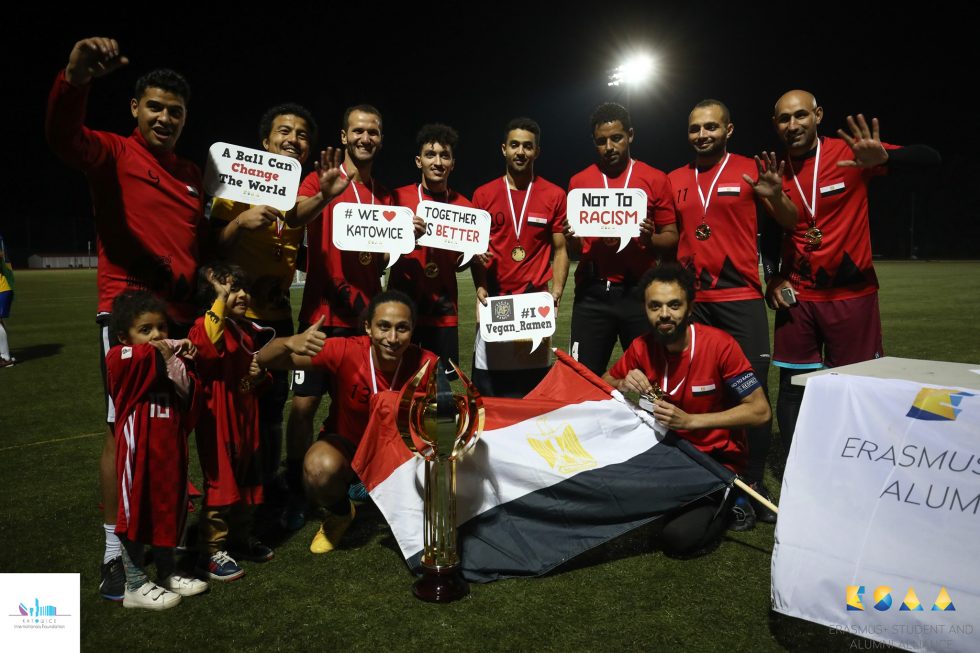
Its aim is, since the very beginning, to promote social inclusion and diversity through a simple yet extraordinary action, such as a football match. Multicultural interaction and inclusivity are the values our Foundation believes in and promotes every day.

The whole draw of the tournament was composed by 20 different national teams from nearly every continent: Europe, South America, Africa and Asia. Each team was composed of internationals living in Poland and coming not only from Katowice or Silesia, but also Kraków or Gdánsk: the only requirement to play is being born in the country you are playing for.

The first day started with a parade of the 20 national teams to present themselves to the supporters. The pitch was divided in 4 different pitches where all the matches were being played at the same time, to make the show more exciting. Soon enough we could see some teams already getting favourites for the Cup after some astonishing matches.

These two intense days culminated in a thrilling and deserved victory for the Egyptian team and an earned second place for the Portuguese one, but our greatest achievement is to have marched under the same flag! Looking forward to the next chapter.

a Turkish youth organization founded in 2016 with the mission of empowering and supporting young people while making a positive impact in their communities. 

GEZIDER was established to support young people in conducting studies in the social, cultural, artistic, educational, and health fields. Its aims include encouraging experienced youth to mentor and guide other young people, contributing to the development of youth policies, and encouraging the entrepreneurial spirit among young people. The association also seeks to provide knowledge, skills, and attitudes in these areas, to reach out to young people across Turkey,  especially in provinces with limited opportunities, and to promote the sharing of experiences and life stories, ensuring that this knowledge and these skills are actively applied.

Moreover, the association carries out scientific, social and cultural studies in the fields of culture, arts, sports, science, individual and social development, tourism and employment at the local, national and international levels. 

garagErasmus is excited to welcome GEZIDER into its network and looks forward to the future initiatives we will develop together.

a Romanian youth organization founded in 2010 with the mission of empowering young people to create positive change in their communities. 

Although based in Romania, GEYC is active at the European level. It is the initiator and coordinating organization of the PRISMA European Network, a European wide coalition aimed at raising the quality of youth projects. Since 2023, GEYC has also held Special Consultative Status with the United Nations Economic and Social Council (ECOSOC).

With a focus on entrepreneurship and engagement, democracy and human rights, digital and sustainability, GEYC provides opportunities through educational projects primarily targeting young people aged 14–35, as well as youth workers and teachers.

garagErasmus is excited to welcome GEYC into its network and looks forward to the future initiatives we will develop together.

representatives of the organisations that form the Erasmus+ Student and Alumni Alliance (ESAA) gathered for a panel discussion under the theme “Erasmus at a Crossroads: Towards and Beyond 2027.”

This exchange brought together voices from across the Erasmus+ ecosystem to reflect on the future of the programme, as Europe prepares for the next multiannual financial framework and considers how Erasmus+ can continue evolving to meet the challenges and opportunities ahead.

The panel was moderated by Toñi Caro, representing EO&H for Good, and featured contributions from Carlo Bitetto (garagErasmus Foundation), Rajon Bhuijan (Erasmus Mundus Association), Vitoria Cabral (OCEANS Network), Roshan Halkhoree (ASAF – Africa), and Nikolina Adzic (Western Balkans Alumni Association). Together, they offered diverse perspectives on the impact of mobility, alumni engagement, and the importance of inclusive, sustainable approaches to European and international cooperation.

This conference was one of many initiatives organised throughout the year to reinforce the ESAA network and to support the Erasmus Generation in shaping a stronger, more united Europe. It underlined the vital role that former Erasmus+ participants continue to play in driving civic engagement, promoting European values, and contributing to the long-term vision of the programme.

bringing together participants from across Europe for a two-day working session titled “5 Years Ahead.” The event served as a strategic platform for evaluating the Foundation’s progress and collectively designing its direction for the coming years, with a focus on international mobility, skills development, policy engagement, and innovation across the network. This edition was suppoerted by the Erasmus+ Student and Alumni Alliance (ESAA).

The meeting opened with a plenary session led by President and CEO Fabrizio Bitetto, who presented the Foundation’s 2024 Annual Report along with the strategic work plan for 2025. His remarks emphasized the importance of broadening the impact of mobility programmes, fostering a more inclusive Erasmus ecosystem, and strengthening the visibility and effectiveness of garagErasmus initiatives. Following this, Toñi Caro González of Eoh For Good, independent evaluator and head of the Quality Assurance Board, presented the 2024 Quality Assurance Report. 

The programme continued with the presentation of network members. Carlo Bitetto introduced the new representatives of the gE4 network, who each presented themselves and shared updates on their local initiatives. Among them, Dr. Oleg Fetisov from the Czech Technical University in Prague announced that the next Higher Education European Networking Summit conference will be hosted in Prague in November 2025. Marco Santos from gE4Tallinn outlined projects involving youth centres, Erasmus+ exchanges, and VET partnerships. Andrei Dodea from gE4Bucharest presented activities coordinated by GEYC, while Muhammat Ali Uslu from gE4Istanbul discussed mental health and arts-focused initiatives developed by the GZ Association. Rajon Bhuiyan from gE4Luxembourg introduced a new digital platform aimed at improving connectivity across the garagErasmus network.

Later in the day, Carlo Bitetto, Network Manager of garagErasmus and Francesca Ferri, journalist of Gruppo SAE, presented ErasMAG, the Foundation’s newly launched online magazine written by Erasmus students for Erasmus students. The platform aims to amplify the voices and experiences of the Erasmus community and was developed following a storytelling training held in Pavia from 31 March to 1 April 2025. The training, organised by garagErasmus and Gruppo SAE and hosted by the University of Pavia, introduced participants to storytelling techniques tailored to the context of European mobility.

A central component of the Annual Meeting were the working group sessions, which began in the afternoon and continued into the second day. Facilitated by gE co-founder and board member Marco Mazzini, these sessions brought together participants in six groups, each focusing on key themes such as mobility, policy advocacy, skill recognition, professional development, European citizenship, and strategic initiatives. The format was designed to foster collaborative planning and to co-develop concrete project ideas informed by the Foundation’s previous work. On the second day, these working groups reconvened to refine their proposals and presented their work in a plenary session. The presentations reflected the diversity of the network and underscored the value of participatory design in shaping garagErasmus’ next steps.

A high-level panel discussion followed, bringing together representatives from Erasmus Mundus Association (EMA), OCEANS network, African Student Alumni Alliance (ASAF), Western Balkans Alumni Association (WBAA), and garagErasmus to discuss the future of Erasmus+ under the theme “Erasmus at a Crossroads: Towards and Beyond 2027.” The discussion addressed the need to increase access for underrepresented regions, promote intercontinental alumni networks, and leverage mobility as a tool for intercultural exchange and socio-economic development.

The meeting also marked the establishment of two new focus groups announced by Valentina Presa, Director of the Secretariat. One group will concentrate on policy development, while the other will explore European Universities alliances, focusing on collaboration models and resource management within inter-university mobility partnerships.

The programme concluded with the presentation of several projects supported by ESAA and developed by members of the garagErasmus network. These included Sailing Together from gE4Malaga (University of Malaga), Rural Roots, European Wings from gE4Ourense  (Bregal Association), gE4s: Empowering through the Net from gE4Verona (Oriel Association), and EUinaDay from gE4Tuscany (Lime Up). Each initiative reflected the commitment of the network to inclusive participation, sustainability, and local innovation.

Looking ahead, participants were invited to contribute ideas for the upcoming Capacity Building event scheduled in Athens on 10 and 11 July 2025. Suggested themes included design thinking, ecological strategies, professionalisation of youth organisations, digital communication, innovation, institutional advocacy, European citizenship education, mentoring methodologies, entrepreneurship models, and resource and HR management.

The Annual Meeting concluded with a renewed commitment to the values of the Erasmus programme and the collaborative spirit of garagErasmus, as well as an official welcoming to new members.  Through reflection, dialogue, and practical planning, the event reaffirmed the Foundation’s mission to advance European mobility, support the personal and professional development of young Europeans, and strengthen cross-sectoral cooperation across the continent.

The event was an opportunity to strengthen the links between our engaged partners (institutions, Higher Education Institutions, partner associations, and local chapters) and institutional stakeholders, which were represented by over 50 participants.

This year, we saw the presence of representatives from the European Commission. Vito Borrelli, DG EAC Team Leader – Higher Education / Erasmus+, discussed the ongoing evaluation process of the Erasmus+ programme and its potential future implications. Hélène Banegas, Project Adviser – Erasmus+ International Alumni, introduced the discussion on the future of the ESAA network, of which garagErasmus is a founder. Céline Jambon, policy officer in the “Skills Agenda” Unit of the European Commission (DG for Employment, Social Affairs and Inclusion), closed the European Year of Skills and discussed future action points.

Day 1 – Monday, 13th of May

The event kicked off with a presentation by Fabrizio Bitetto, CEO and President of the garagErasmus Foundation, that gave an overview of the year’s activities, highlighting the addition of new gE4s, as well as the engagement of existing gE4s in various initiatives. He discusses key events and projects, including the Learning Garage and the Annual Meeting, along with participation in prominent events.

Vito Borrelli, DG EAC Team Leader – Higher Education / Erasmus+ from the European Commission discussed the ongoing evaluation of the Erasmus+ programme, highlighting efforts to improve its effectiveness and address emerging challenges. He elaborated on budgetary considerations, mobility initiatives, and strategies for promoting inclusion. Attendees engaged in a dialogue, raising questions and sharing insights on topics such as accommodation and support for disadvantaged groups.

Carlo Bitetto, gE Network Manager, introduced ErasMag, a new online platform designed for the Erasmus Generation. This platform will enable students to write articles about their experiences abroad, effectively becoming “Erasmus correspondents.” The project, developed in collaboration with Gruppo SAE, is set to launch in the coming months.

Later on, representatives from gE4Orense, gE4Cordoba and gE4Varna highlighted their activities and initiatives, showcasing successful practices within the garagErasmus network.

Participants shared proposals for enhancing collaboration and communication within the garagErasmus community, emphasizing strategic planning, resource sharing, and the creation of operational teams.

Day 2 – Tuesday, 14th of May

 The day started with a presentation by Toñi Caro, Chair of the Quality Assurance Board, which provided insights into the 2023 Quality Assurance Report, detailing gE’s objectives, financial allocations, and ongoing initiatives. She outlined the board’s tasks for the year and presented key performance indicators.

After her presentation, Martina Altea Bellinzona and Nunzia Di Francesco highlighted two projects, BRIGHTS and Digital Life Learning, showcasing their objectives, methodologies, and outcomes. Attendees engaged in discussions and posed questions about project implementation.

Later, participants discussed new project proposals, focusing on collaboration opportunities, outreach strategies, and operational planning. Ideas were exchanged for enhancing gE’s impact and expanding its network.

Carlo Bitetto presented upcoming meetings and events organized by garagErasmus, including capacity-building sessions and networking summits. He encouraged participation and engagement in future activities.

Representants members of ESAA (garagErasmus, OCEANS, ASAF, ESN and EMA) started a discussion about the alliance’s future, focusing on different topics, such as collaboration possibilities, benefits of being part of the network, and possible improvements.

The garagErasmus Annual Meeting was a unique opportunity for gE members and stakeholders to connect, fostering dialogue and collaboration. It also served as a reminder to all attendees of the importance of being active within the network and maintaining enthusiasm for its current opportunities.

The proposal for a “European Conference on the Future of Europe” initially put forward by President Emmanuel Macron and then taken up by the President of the European Commission, Ursula von der Leyen, represents a great opportunity to reshape the future of the European Union.

The CSOs’ common key recommendations for the Conference on the Future of Europe are:

  1. An open mandate for the Conference, aimed at developing policy and institutional proposals, as well as proposals for treaty change or a new treaty framework, if considered necessary.
  2. A wide-ranging approach, looking at the scope of competences of the Union, the financing of Union policies and proposals for the democratic and efficient governance of those policies.
  3. A democratic process with wide participation and deep deliberation with individual citizens and civil society organisations from across the Union, as well as accession candidate and eastern neighbourhood countries. 
  4. A multi-step approach allowing individual citizens and civil society organisations to give input at different levels of expertise using digital tools and deliberative polling and engagement with institutional decision-makers.
  5. A clear upfront commitment by the institutions of the Union, as well as National Governments to deliver legislative proposals on all policy recommendations and initiate Treaty changes on all proposals adopted by the Conference.

The full common recommendations can be found here, and they are supported by the following civil society organisations:

European Students’ Forum (AEGEE), European Association for Local Democracy (ALDA), Assembly of European Regions (AER), Civil Society Europe (CSE), Commission of the Bishops’ Conferences of the EU (COMECE), European Citizen Action Service (ECAS), European Youth Forum, Eastern Partnership Civil Society Forum, Fondation EURACTIV, garagErasmus Foundation, Young European Federalists (JEF) and  the Union of European Federalists (UEF).

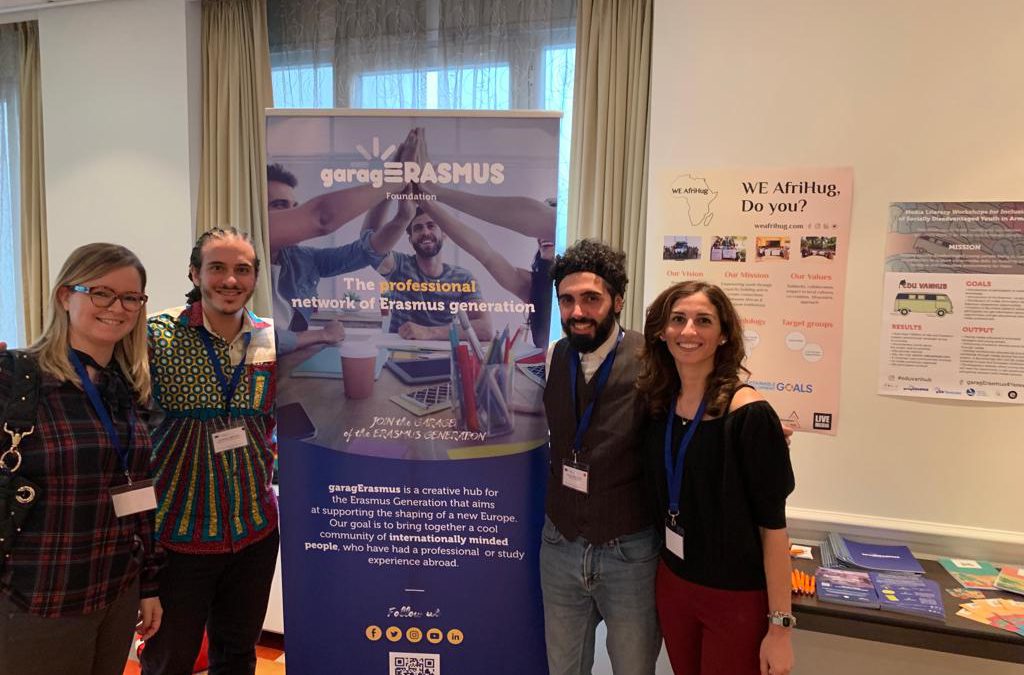
Audiovisual and Culture Executive Agency of the European Union (EACEA) in Brussels, where we had the chance to present 2 outstanding ESAA projects we are involved in:

  • The EduVanHub project, presented by Gèv Harutyunyan (garagErasmus4Yerevan), seeks to help disadvantaged young people living in Armenian and Ukranian rural communities acquiring media skills by building an inclusive & innovative environment.
  • The WE AfriHug project, presented by Konstantinos Maragkos (GaragErasmus4Athens), aiming to bring closer Africa and Europe by empowering youth through capacity building, creating links between the African Union & the European Union’s HEIs & CSOs.

In 2016-17, 16,561 British students took part in the overseas programmes –such as Erasmus-while 31,727 EU nationals came to the UK. Erasmus+ is also involved in vocational training and work overseas, as well as with teachers who want to work or train abroad.

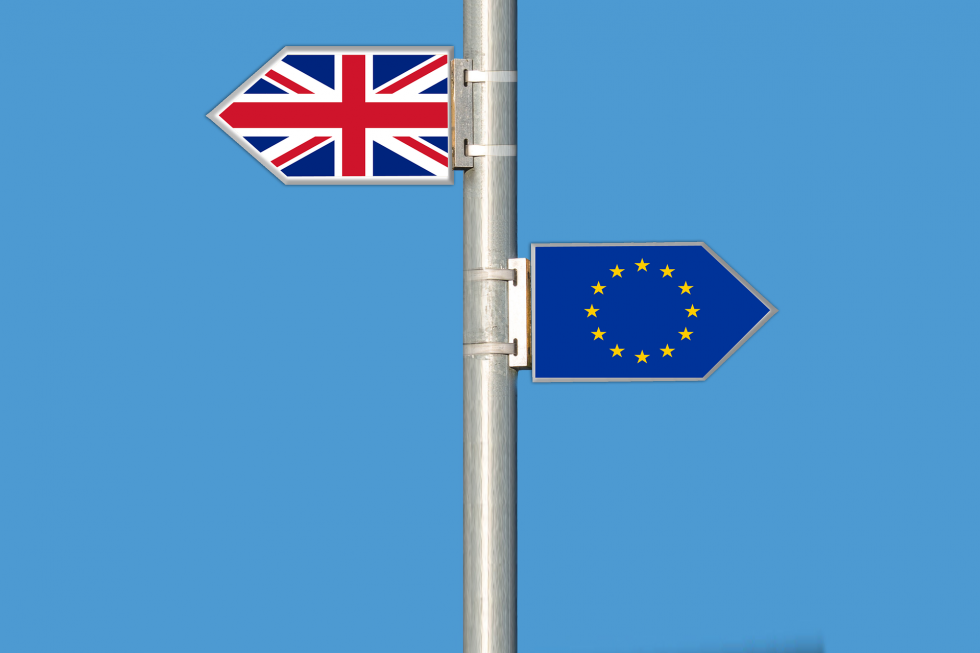
The Universities UK International and Universities UK (UUKi) re-launched their #SupportStudyAbroad campaign asking the British Government to clearly commit to fund study abroad opportunities in the upcoming years.

As a member of the Erasmus Student and Alumni Alliance, garagErasmus invites you to join this campaign for ensuring that current and future UK students still have the opportunity to participate in exchange programmes, notably Erasmus+, or to obtain funding for studying abroad in case of a no-deal Brexit.

UUKi estimates that, without the Erasmus+ funding, 17.000 British students will miss the opportunity to study abroad in 2020. Despite UK Government vows in the withdrawal agreement, it is not clear what will happen in case of a no-deal Brexit.

Launched last February, the first edition #SupportStudyAbroad campaign had a great impact, reaching almost 6,5 million people and achieving 16.56 million impressions on Twitter 2 weeks after its release.

So far, UK government showed its interest to participate in the Erasmus+ programme for the upcoming years and have guaranteed to replace grants awarded by the EU for studying abroad in 2019.

Nevertheless, a clear commitment to fund study opportunities abroad in the 2020-2021 academic year and beyond is urgently needed, either securing UK participation in Erasmus+ or providing funding for a national replacement mechanism.

gE encourages you to support this campaign by posting your support for the campaign via your social media channels, spreading the message to your (British) friends and writing to your MPs. You can find further instructions, information, a template letter to MPs and further documents on Universities UK website.

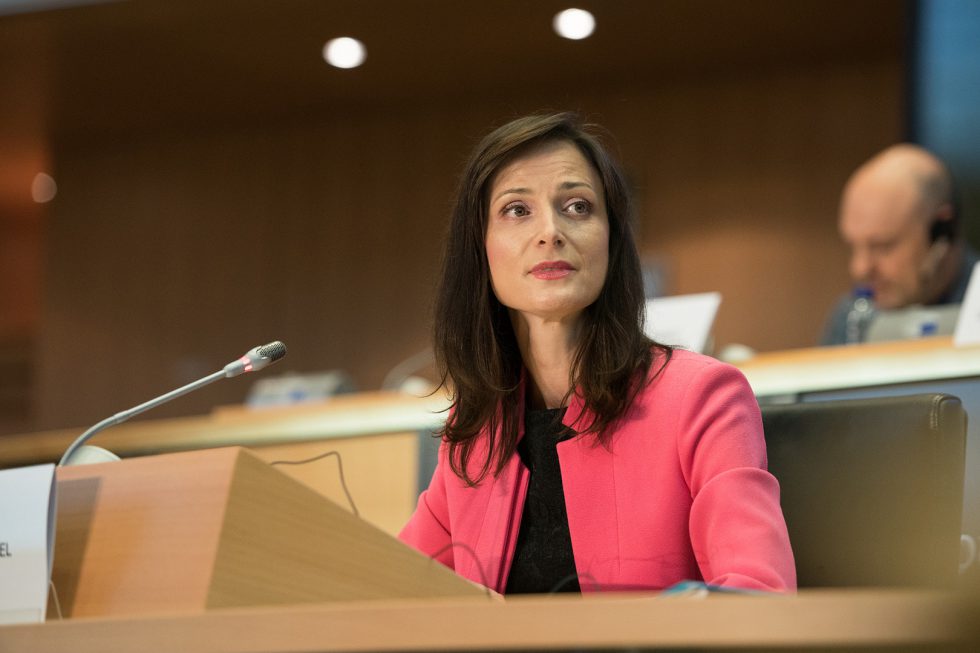
 On Monday evening, the EU Commissioner-Designate for Innovation and Youth Mariya Gabriel offered a Hearing to the members of the European Parliament ITRE and CULT Committees detailing her programme for the 2019-2024 period.

Gabriel will hold a broad portfolio that does not only cover innovation & youth areas but also other key ones such as research, education, culture, youth and sports. She will also be responsible for implementing the new Creative Europe, HorizonEurope and Erasmus+ programmes.

Gabriel’s portfolio seeks to strengthen ties between education, research and innovation (the known as Knowledge Triangle). However, garagErasmus is not yet convinced that a single Commissioner can take a leading role to effectively implement
all the above-mentioned policies. In fact, research and innovation topics and the future scope of the Horizon Europe programme almost monopolised the hearing, with limited scope for education and universities. Gabriel did not even point out neither education nor universities in the list of challenges she is seeking to face during her initial speech of the hearing.

garagErasmus also missed references to the Erasmus for Young Entrepreneurs programme, as previously recommended by DG EAC’s, a tool that would be crucial to implementing our Erasmus Alumni network.

Nevertheless, the Commissioner-Designate made many references to the Erasmus+ programme during the hearing, and gave it as the example of a flagship programme of the Union, also identifying it as a tool to make young people aware of cultural diversity. She also mentioned the crucial role that thousands of unique Erasmus and Erasmus+ co-funded projects played at the time of promoting social inclusion and preventing radicalisation.

garagErasmus also celebrates Gabriel’s vows to take advantage of the additional funding for the Erasmus+ programme (EC President Von der Leyen promised to triple its funding for the upcoming 2021-2027 period, as proposed by the European Parliament in March 2019) in order to make it more inclusive towards participants from disadvantaged backgrounds – making education accessible for all, with a special emphasis to minorities – but also to students from vocational training and teaching staff, especially language teachers.

Gabriel also proposed innovative ideas, such as the implementation of a European Student Card for 2021, but no additional concrete actions were announced regarding Educational matters. Despite all her references to the European Education and University areas, she did not mention the next steps to effectively implement them.

garagErasmus is looking forward to the content and measures proposed by new European Commission work plan 2020, and also other concrete actions to implement all the Commissioner-Designate’s announcements.

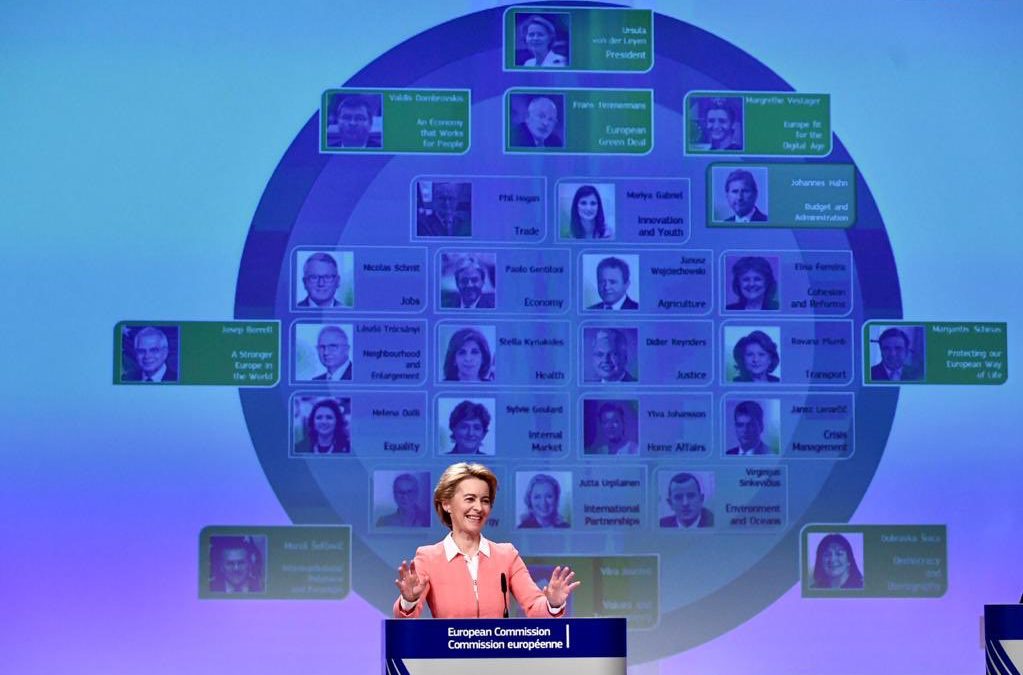
Last Tuesday, during the official presentation of her team for the upcoming European Commission, EU Commission President-Elect Ursula von der Leyen declared herself to be a “big fan” of the Erasmus programme, giving it as the example of the most successful European programme.

On one hand, garagErasmus strongly welcomes Von der Leyen’s objective of tripling the Erasmus+ programme budget for the next 2021-2027 period she entrusted to the nominated EU Commissioner for Innovation and Youth Mariya Gabriel. We are looking forward to the translation of these promises into concrete action.

The Erasmus+ programme has shaped our lives, changed our vital perspectives from the educational, professional and personal perspectives. The returns to society of its benefits are worthwhile from an economic perspective and priceless at a human aspect.

However, on the other hand, garagErasmus laments confusion over who is in charge of education, starting from the worrying fact that no Commissioner is distinctively assigned to education. We call on the European Parliament committee for culture and education to stand by Erasmus and education to keep it high among the priorities of the Commission.

Moreover, Erasmus+ and Education competences have been split between two Commissioners considering that the overview is assigned to the Vice-President-designate for Protecting our European Way of Life Margaritis Schinas, an ambiguous and broad portfolio that does not convey a clear political view and priorities.

garagErasmus considers that the new programme should put the accent on increasing employability and entrepreneurship, in an inclusive manner. 

garagErasmus considers that children and young people should be fully engaged both in the definition of the topics that are relevant for them and us all and in the research expected for this crucial period.

We should seize the potential of younger generations as agents for change. Without their involvement, Horizon Europe will not achieve the impact it seeks. That is why it is so disconcerting for us to see little or no mention of them in the document ‘Orientations towards the first Strategic Plan implementing the research and innovation framework programme Horizon Europe’.

Why Horizon Europe should take into account the role of children and youth?

Young people and children have a huge potential as change agents. If we invest in youth-centred R&I now, 2030 could be the start of an era of positive payback: healthy children and teenagers who are well-educated and skilled and have every chance to thrive and become constructive, engaged EU citizens contributing to society.

Furthermore, a Horizon Europe that works with and for Children and Youth could significantly contribute to the UN Sustainable Development Goals since Child related indicators can be found in at least 14 out of the 17 SDG’2.

A Horizon Europe programme taking into account the vision of child and youth will be also complementary to other initiatives and tools such as Erasmus+, European Youth Strategy, Education and Training 2020 and the Structural funds.

Which are the three crucial challenges where youth can play a fundamental role?

  • Youth Mobilisation against climate change. Youth across the world has the potential to catalyse change not only for themselves but for their communities and the rest of the world.
  • Health and Wellbeing: R&D actions with a focus on children and youth have the potential to deliver new knowledge and approaches to improve our future physical and mental health and wellbeing.
  • The Fourth Industrial Revolution. Youth should take part on digitalisation of our societies, jobs, education and democracies. Uptake in key enabling and digital technologies can only be achieved by involving them, making special efforts to involve girls in STEAM careers.

How can we change it?

The European Commission has just opened an online consultation: Horizon Europe Co-design 2021-2024 that can be filled as an organisation or as an individual and considering its importance we very much urge you to fill in the consultation. The more responses with our key messages the better to get our voice heard! Spread the word, invite to act!  

Instructions to participate in the consultation:

  • Please follow the link to the Horizon Europe online Consultation. Here you will find an introduction to the consultation
  • Please fill in the multiple choice sections A, B and C. In these sections are included a list of topics to be rated (no children or youth friendly!). They are the current list of topics in the  ‘orientations/strategic plan’ document that provides the draft of the Horizon Europe programme, which is the document we wish to influence. You need to rate which topics you feel are more important for the years to come.
  • For section D please tick the first 6 boxes and in the box provided for ‘general input’ please copy and paste the text below (between the two lines):

This initiative has been promoted by the University of Deusto and the University of Utrecht with some members of the Eurochild Children Council, and endorsed by garagErasmus and EDIW-Education for an Interdependent World.

The consultation will be open until 8 September 2019.

Stay Connected!

Follow us on social media and be part of the journey — updates, opportunities, and Erasmus vibes await!